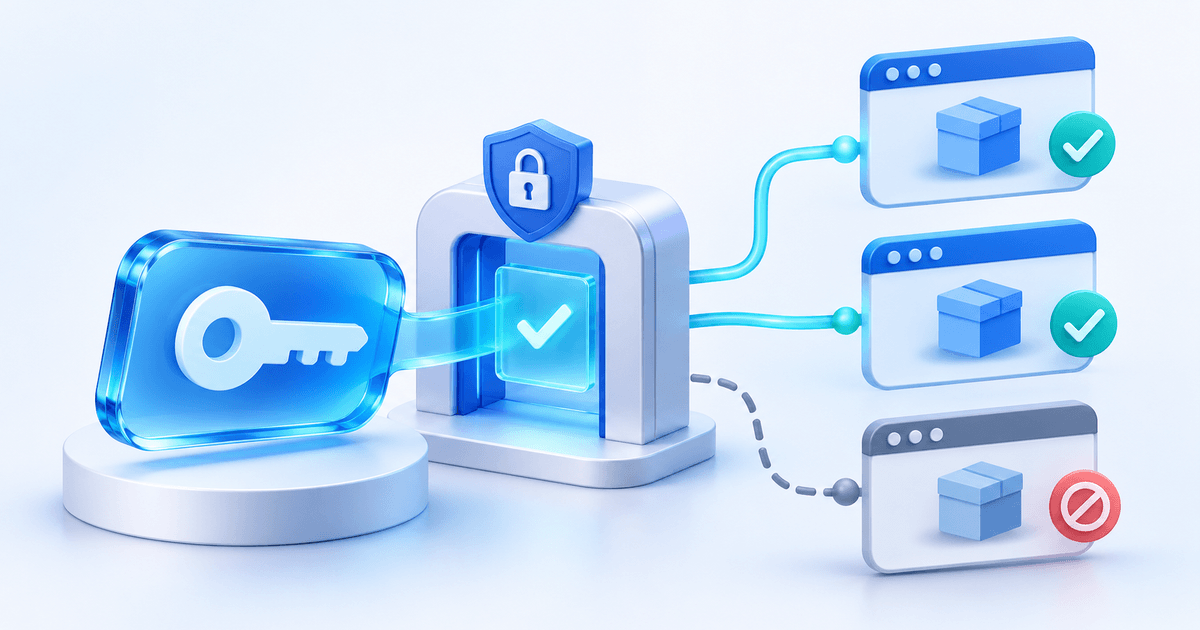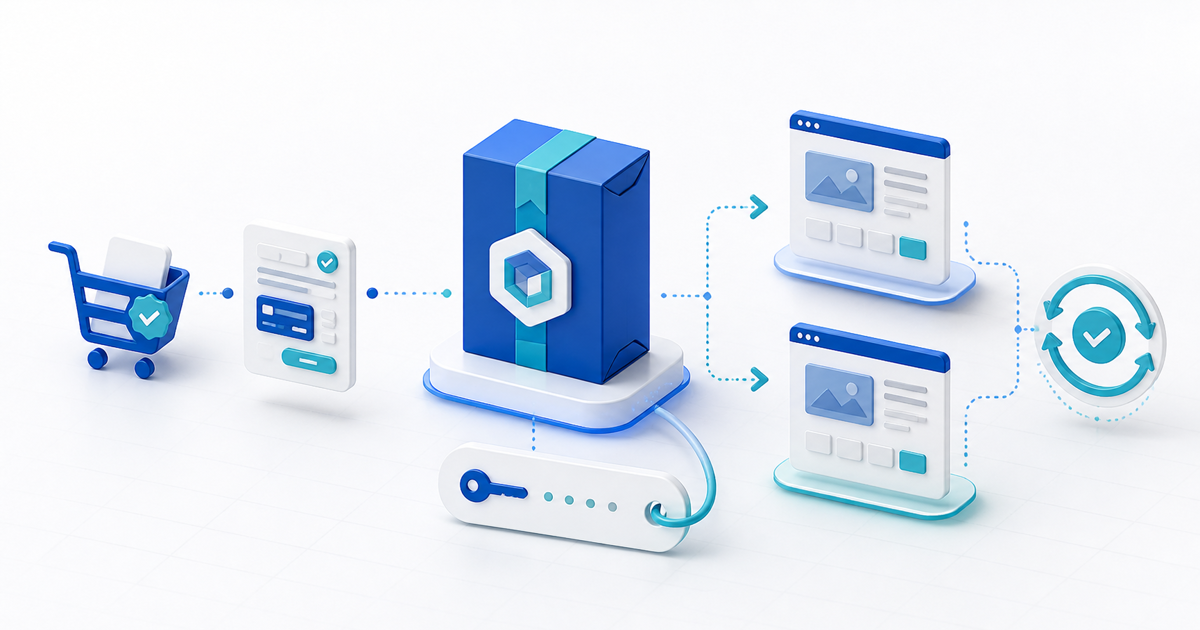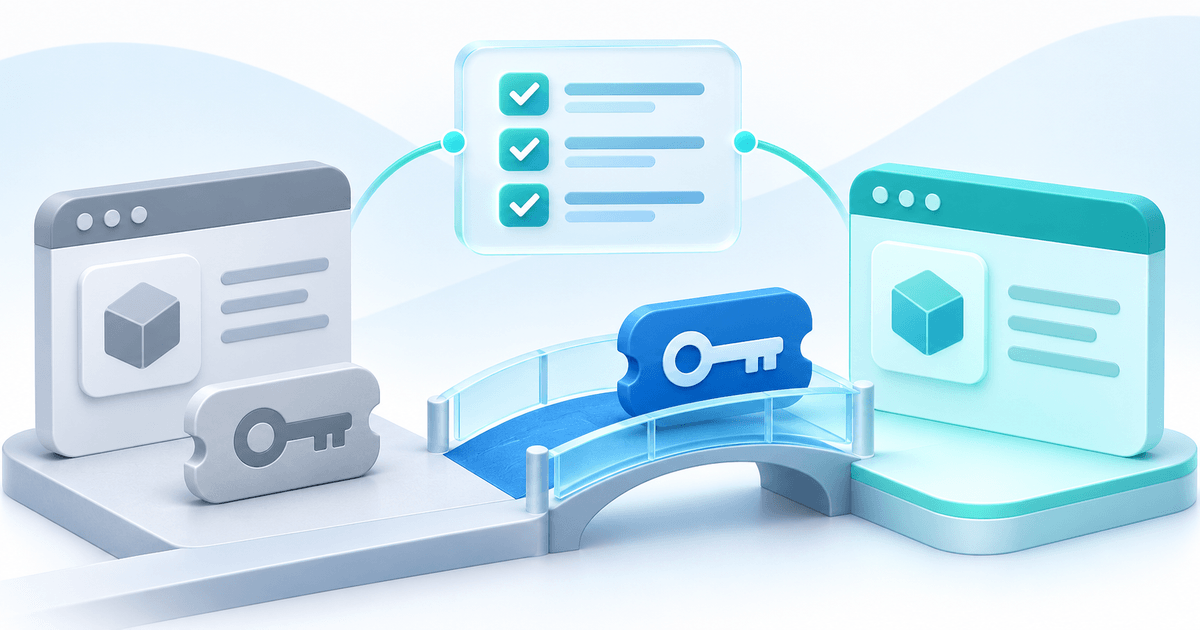
Moving software sales away from Lemon Squeezy requires two plans: a new checkout for future purchases and an access plan for people who already bought. Replacing a payment link does not convert their license keys, update installed applications or transfer subscription billing.
On November 16, 2026, Lemon Squeezy announced that new store sign-ups had closed and payment processing would end on March 31, 2027. Verify your own account’s next steps in the official announcement. This guide focuses on software license continuity rather than making a promise of automatic migration.
Decide what you need to replace before choosing a provider
A seller might be relying on checkout, tax handling, file delivery, license validation and subscriptions at the same time. List those separately. A replacement for one function is not automatically a replacement for the others.
Lemon Squeezy’s migration documentation describes Stripe Managed Payments as one option for eligible businesses and says digital fulfillment needs a separate solution. Treat billing and software delivery as separate requirements when evaluating any destination.
PayRequest can be a candidate for new paid, one-time License or Digital Product sales. It generates keys after confirmed payment and provides activate, validate and deactivate endpoints. Your app must integrate those endpoints. This guide evaluates the route using your own payment provider, with tax handling remaining your business’s responsibility; it does not promise a replacement for merchant-of-record tax handling. If delegated sales-tax responsibility is essential, assess an eligible merchant-of-record service separately.
Build an entitlement inventory, not just a customer export
The practical asset for this migration is an entitlement ledger: a record of what each buyer was promised and how the installed app currently checks that promise. Keep exports private and store only what your migration process needs. A spreadsheet of buyer email addresses alone cannot tell you whether a key should work on two machines until a fixed date.
| Record | Capture before the cutover | Decision it supports |
|---|---|---|
| Product and variant | Exact IDs, offer name, activation limit and validity | Which new offer is genuinely equivalent |
| Order and payment state | Order reference, paid status and reversal history | Whether access is still covered |
| License state | Provider, key record reference, status and expiry | Which entitlement needs a continuity plan |
| Active installations | Existing instance references and limit usage | How buyers move devices without duplicate grants |
| Software version | Released app version and embedded API path | Whether the installed app can use a new licensing service |
| Commercial promise | Updates, support, term and refund wording | What must remain true after the change |
Use Lemon Squeezy’s own export and support processes to confirm what is available for your account. Do not assume that every field in this planning table appears in one CSV export. Keep raw license keys out of public documents, logs and customer-support screenshots.
Separate new purchases from existing buyers
Consider an illustrative seller with a €39 two-device desktop utility and a separate annual support offer. New app sales may fit PayRequest’s one-time license flow. The annual offer and old installed copies still need independent decisions; changing one product does not migrate the other.
| Cohort | Possible route to assess | Gate before sending buyers there |
|---|---|---|
| New one-time purchases | Create a new PayRequest License or Digital Product | Your current app integrates and tests the new License API |
| Existing paid lifetime keys | Design a separate continuity mechanism | Proof of the original entitlement and a documented support path |
| Existing fixed-term keys | Preserve the actual remaining term in your own migration design | No accidental extension, shortening or duplicate access |
| Subscription-linked keys | Use a destination that supports the required recurring entitlement | Confirm billing migration and access lifecycle separately |
| Older app versions | Release an updater or provide a supported upgrade path | Users can obtain the version with the new validation logic |
PayRequest does not import existing Lemon Squeezy keys, retroactively issue licenses for old orders or provide subscription licenses. Do not tell buyers their existing key will work in PayRequest or ask them to purchase again merely to complete your migration. Any replacement entitlement workflow needs separate engineering, identity checks and terms that honor the original purchase; it is not a built-in PayRequest import facility.
For billing subscriptions, follow a provider-confirmed migration process. Do not infer that payment credentials can be copied because you can export a customer list. This article does not claim recurring payments or existing subscriptions can be transferred into PayRequest automatically.
Replace the API contract, not only the domain name
Lemon Squeezy’s activation API and PayRequest’s API have different request and response contracts. Similar operation names do not make the integrations interchangeable.
For PayRequest, pin seller_id and product_id, send the buyer’s license_key in the request body, and generate a stable random installation_id of 16–200 characters. Activation returns instance.id; validation and deactivation use it as instance_id. A key-only validation does not prove that a particular installation is activated.
Use a small provider adapter in your own application if that makes the transition clearer. It should identify which service owns an entitlement and route the request deliberately. Never send every key to every service as a discovery mechanism. Store returned instance proofs with their provider identity so you do not accidentally validate an old provider’s instance against the new API.
Do not claim a dual-provider adapter keeps old keys valid indefinitely. Its usefulness depends on the old provider’s actual API availability and the terms of your replacement design. Confirm licensing-service continuity directly rather than inferring a license API shutdown date from a payment-processing announcement.
The license validation integration guide covers PayRequest’s request fields and failure states. Your release should reject a wrong seller/product pair, malformed responses and failed checks, and should have an explicit offline policy if you choose to offer one.
Run a cutover rehearsal with controlled accounts
A rehearsal should connect the offer, paid order, delivered file, key and installed app. Use your own controlled accounts and record results without publishing credentials. The matrix below is a proposed test plan, not a report of completed live migration tests.
- Configure and save the new product before its first checkout; even an unpaid order locks license terms.
- Verify a new confirmed payment delivers the intended file and one key per purchased unit.
- Activate the first and final allowed installation in the released app build.
- Confirm an extra installation is rejected and deactivation frees a slot.
- Confirm the old released instance proof stays invalid after reactivation.
- Check an existing buyer follows the separate continuity path and is not incorrectly treated as a new unpaid customer.
- Check refund and dispute handling for the new order; PayRequest blocks all its licenses, including when a refund is partial.
- Review your rollback route and buyer communication before changing public checkout links.
Keep a clear boundary between a rollback of public sales links and a rollback of a software release. A customer may already have activated on the new service when you revert a checkout button. That customer still needs access and support.
Give buyers instructions they can act on
A useful notice says which app version to install, whether the existing key changes, whether any action is required, how the installation limit is preserved, and how to reach support. Do not promise “nothing changes” when users must update software or receive a separately managed entitlement.
An example notice to adapt: “New purchases from [date] use our new checkout. Existing customers should use [verified update/support path]. We will confirm the access steps for your original purchase; please do not place a second order to migrate.” This is a communication template, not a statement that PayRequest supplies the replacement entitlement.
If your business needs recurring licenses, imported keys, automatic software updates or offline signed licenses, those requirements are outside PayRequest’s current one-time license feature. Use the Lemon Squeezy comparison to assess the fit before choosing a destination.
Start with a small, explainable new-sales launch
For sellers whose new one-time offers fit the feature, begin with one product and one supported app build. Explain the activation limit, validity, support and update terms on the sales page. Keep historic access decisions explicit and separate until you have verified them.
Explore PayRequest software license keys and the technical setup documentation. Free has a 2% standard payment fee capped at €25 per transaction; active Premium (€5/month) and Business (€20/month) remove standard platform fees. Provider fees and commission-payment exceptions remain separate. A platform-fee difference is not a comparison of the full cost of a merchant-of-record service.
Editorial method: AI-assisted research, drafting and conceptual illustration; first-party product constraints and official provider documentation reviewed on November 17, 2026. No automatic migration, successful customer transfer or continued third-party API availability is claimed.