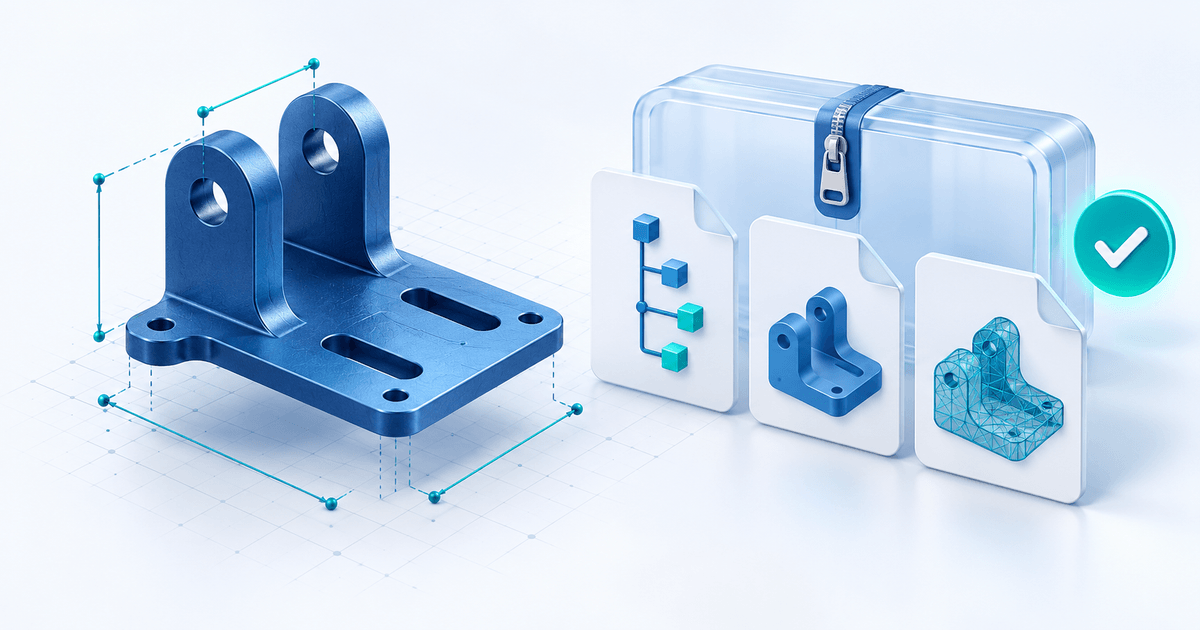
You can sell SVG files with PayPal, but checkout is only one part of a reliable product. Buyers also need the correct vector package, a license that matches their intended use, and automatic delivery that starts only after payment is confirmed.
This workflow is for independent illustrators, icon designers and cutting-machine creators selling original SVG packs directly. It is not a guide to reselling trademarked characters, logos or marketplace bundles.
Decide Which SVG Job You Are Selling
SVG is an XML-based format for scalable two-dimensional graphics, as defined by the W3C SVG specification. That does not make every SVG interchangeable. A web icon, Cricut cut file and print illustration need different tests.
| Buyer job | Package to test | Common failure |
|---|---|---|
| Web icons | SVG plus PNG preview | Unwanted IDs, fonts or scripts |
| Cutting machine | Simplified SVG plus test-cut notes | Open paths and tiny loose shapes |
| Print or merchandise | SVG plus PDF/PNG proof | Missing fonts or unexpected colours |
| Editable illustration | Layered source where promised | Flattened objects that cannot be changed |
State the artboard size, colour mode, whether text is outlined, and which applications or machines you actually tested. Do not promise “works everywhere.”
Build a Reproducible Release Matrix
Create one release record before listing the pack:
| Field | Example |
|---|---|
| Product version | Botanical Icons 1.1 |
| Files | 36 SVG, 36 PNG previews, license.pdf |
| Tested in | Current Chrome, Illustrator version, Cricut Design Space version |
| Safety check | No external links, scripts or embedded remote assets |
| License | Personal / commercial, version and date |
| ZIP checksum | SHA-256 value recorded with the order package |
Open a sample from the final ZIP—not the working folder—in every advertised workflow. For web assets, inspect the SVG source for scripts, external references and accidental metadata. For cutting files, perform at least one real test cut at the smallest advertised size.
License the Output, Not Just the File
Explain whether buyers may use the artwork in finished websites, client work, physical products or print-on-demand goods. State separately that they may not resell, share or upload the source SVG pack. If fonts, stock shapes or brushes contributed to the design, verify that their licenses permit redistribution in the form you are selling.
This checklist helps communicate scope; it is not legal advice. Only sell assets you own or have permission to distribute.
Connect PayPal to Confirmed Delivery
PayPal Payment Links can create a hosted checkout for eligible business accounts, but the payment link does not document which ZIP version the buyer received. Use this end-to-end flow:
- Upload the exact tested ZIP and record its version and checksum.
- Publish previews that are clearly watermarked or rasterized, not the source file.
- Show file counts, compatibility, license and support terms before checkout.
- Connect an eligible PayPal Business account.
- Release the protected download only after successful payment confirmation.
- Keep the provider transaction, product version, license version and delivery event together.
PayPal says eligible intangible-goods cases can require evidence that the item was delivered as described. A delivery record is useful operational evidence, but eligibility and decisions remain subject to PayPal's current local terms.
Run the Clean-Buyer Test
Buy the product with a new email address. Confirm that a failed or pending payment reveals no file, the successful order delivers the correct ZIP, and the archive opens on mobile and desktop. Import one file into each advertised application, then compare the delivered checksum with the release record.
When that test passes, sell SVG and illustration files with PayRequest using a hosted page, PayPal checkout and automatic delivery.
PayPal processes the payment. Connect it to a digital-product workflow that releases the tested SVG package only after successful confirmation.
Use a ZIP for a multi-file pack so the SVGs, previews, license and instructions stay together. Test the final archive before publishing.
Only when your license grants that use. Define finished products, client work, print-on-demand, seat limits and source-file redistribution separately.