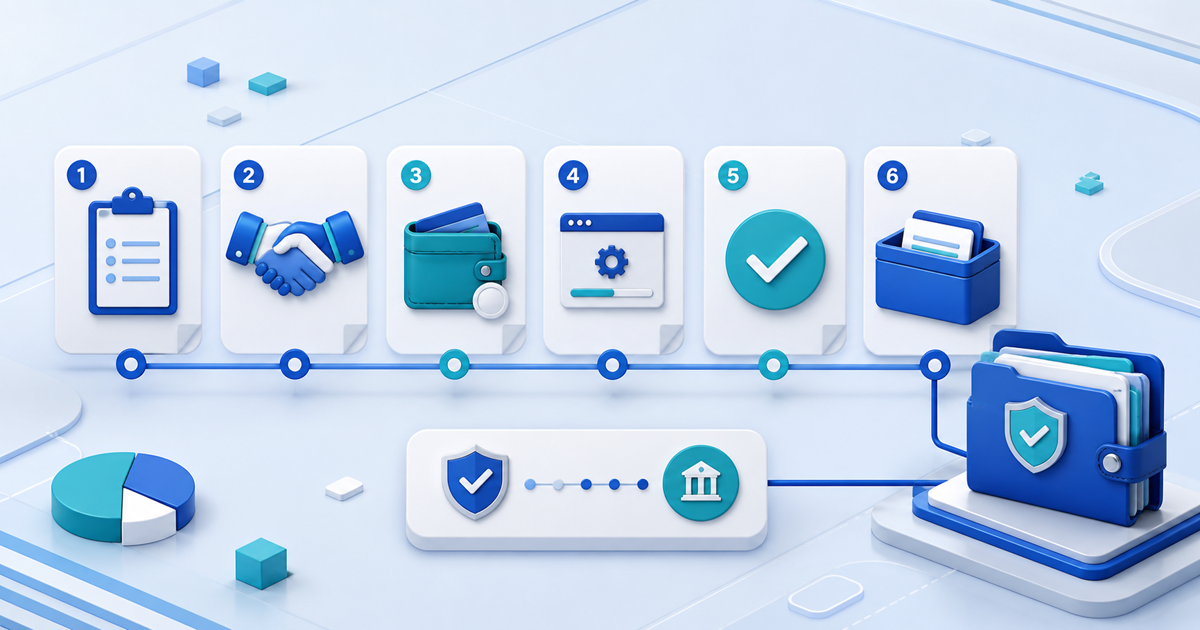
For a PayPal dispute about custom services, submit a short chronology that connects the original transaction to the agreed scope, work performed, buyer approvals, final delivery and any refund or remediation. Do not manufacture shipping evidence for a service and do not bury the decisive facts inside an unlabelled message export.
This workflow is for freelancers and studios delivering bespoke design, development, consulting, editing or similar work. Its original asset is a six-event service-delivery ledger plus a worked logo-project example. Evidence does not guarantee PayPal or a card issuer will decide in the seller's favor.
Match Evidence to the Actual Dispute
Read the dispute reason, requested evidence and response deadline before uploading anything. PayPal's current Disputes API guidance shows that requested evidence is reason-specific, such as proof of fulfillment or proof of refund. The Resolution Center is the normal interface for sellers who are not using the API.
Separate an unauthorized-transaction claim from item-not-received or significantly-not-as-described. PayPal Seller Protection eligibility and requirements vary by claim, transaction and account jurisdiction; the current US terms are one official example, not a universal promise.
Keep a Six-Event Service Ledger
| Event | Record before a dispute | Why it matters |
|---|---|---|
| Offer | Scope, exclusions, price, currency and delivery method | Identifies what was sold |
| Acceptance | Dated proposal or checkout acceptance | Connects buyer to the terms |
| Payment | PayPal transaction and invoice/order reference | Connects evidence to the disputed charge |
| Work | Milestones, dated outputs and change requests | Shows performance rather than mere activity |
| Approval | Buyer feedback, acceptance or next-step instruction | Shows the state the buyer acknowledged |
| Delivery | Final files, meeting record, repository handoff or access event | Shows what was delivered, when and where |
Keep records as the project runs. A timeline created from contemporaneous events is easier to verify than a narrative reconstructed months later.
Worked Example: A Custom Logo Project
Suppose a studio sells a €900 logo package in three stages: €300 discovery, €300 concepts and €300 final artwork. The seller's ledger links transaction PR-2147 to the signed scope, discovery-call notes, three concept PDFs, the buyer's dated selection, one approved revision and a final ZIP containing SVG, PDF and PNG files.
The response cover page should say exactly that, with dates and filenames, then point to numbered exhibits. It should not claim that a download event proves the buyer liked the work. Approval and delivery are separate facts.
Build a Compact Evidence Packet
Create a one-page chronology followed by only the relevant exhibits. Label files consistently, redact unrelated personal data and keep originals unchanged. Screenshots should show sender, recipient, timestamp and enough surrounding context to be understood. Export durable PDFs where possible, but retain source records.
If you refunded, include the refund transaction ID and amount. If you offered a revision or remedy, distinguish an offer from buyer acceptance and completion. Never edit a message so its meaning changes.
Prevent the Next Evidence Gap
Use a unique reference on proposal, invoice, payment, messages and delivery. Define deliverables and revision limits before payment, record scope changes, ask for milestone approval in writing and send final files through a channel that produces a dated record.
PayRequest invoicing can keep the customer, amount, provider payment and invoice reference together, while the activity log helps preserve operational events. Connect an eligible PayPal account through the PayPal provider workflow, then test the complete quote-to-delivery record before relying on it.
The goal is not to create more paperwork. It is to make six decisive events reconstructable without inventing facts after a dispute arrives.