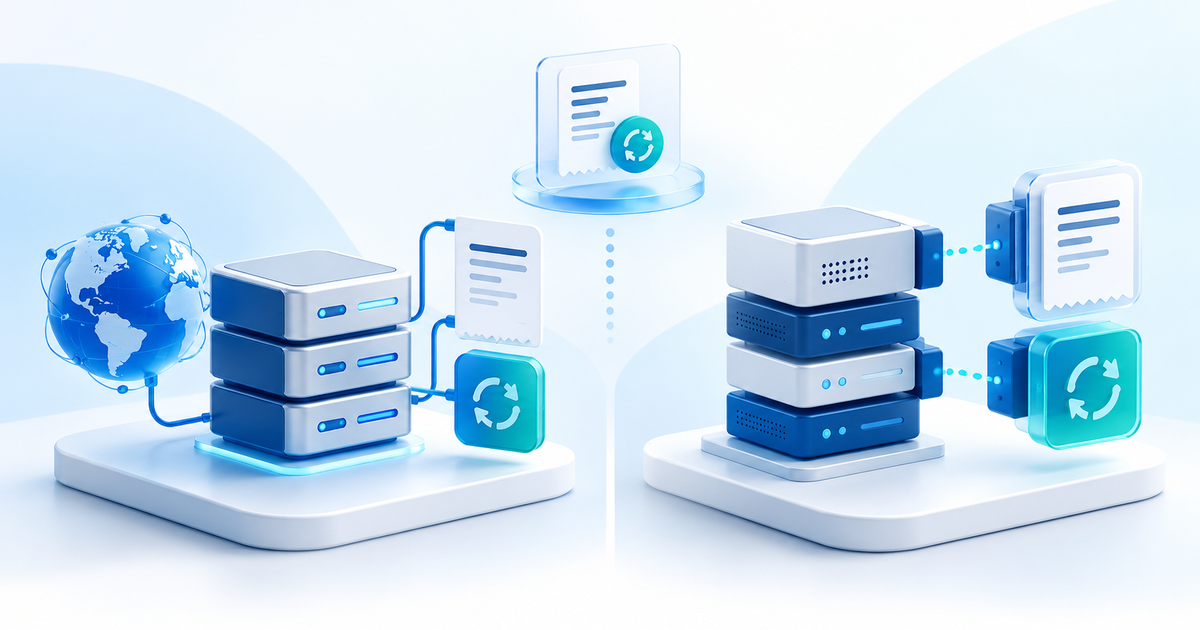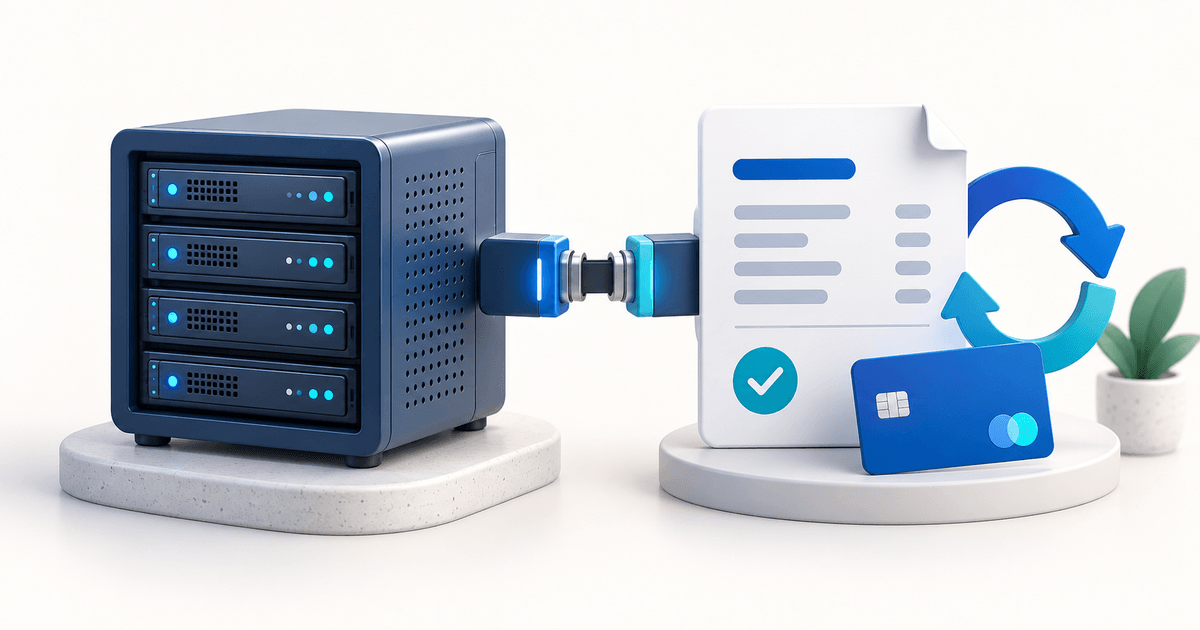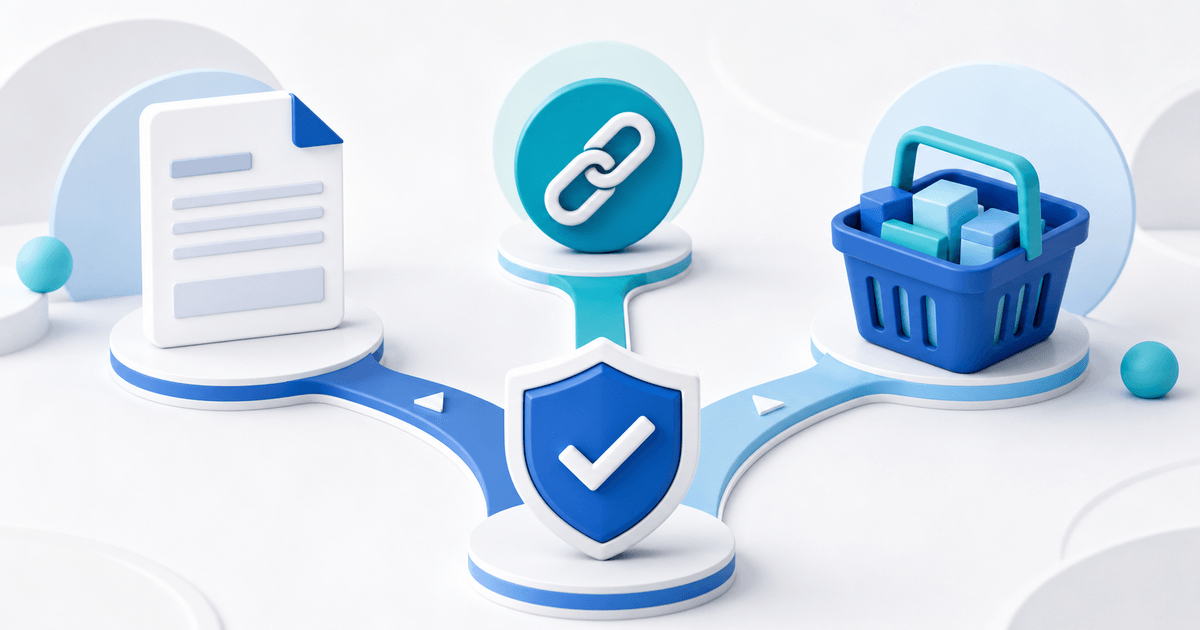
Gebruik een PayPal-factuur voor een afgesproken bedrag van een bekende klant, een zakelijke betaallink voor een herhaalbare aanbieding en checkout wanneer de koper een bestelling samenstelt. Bij downloads moet je ook kiezen wie het bestand na betaling levert. Voor automatische maandbetalingen is een abonnementsovereenkomst nodig, niet steeds dezelfde eenmalige link.
Dit artikel helpt freelancers, workshopverkopers en makers een verkoopproces kiezen. Een persoonlijke geldoverdracht is een andere behoefte.
Vergelijk de verkooptaak
| Situatie | Voorkeursroute | Aanvullende verantwoordelijkheid |
|---|---|---|
| Bekende klant met afgesproken bedrag | Factuur | Klantgegevens, regels, termijn en openstaand saldo |
| Iedereen kan dezelfde aanbieding kopen | Zakelijke betaallink | Aanbod, beschikbaarheid en annuleringsvoorwaarden |
| Koper kiest producten of opties | Checkout/winkelwagen | Bestelling, voorraad, belasting en levering |
| Automatische periodieke dienst | Abonnementsinschrijving | Toestemming, verlenging, mislukte inning en opzegging |
| Digitale download | Productpagina met betaling en levering | Juiste bestand na bevestigde betaling |
De officiële PayPal-vergelijking onderscheidt klantgebonden facturen van herbruikbare verkooplinks. Een factuur kan zelf ook via een link of QR worden gedeeld.
PayPal biedt echte zakelijke Payment Links, ook voor digitale producten. Dit is niet alleen PayPal.Me. De handleiding beschrijft productinformatie en prijzen. Betaalmethoden hangen af van land en accountgeschiktheid.
Drie fictieve verkoopvoorbeelden
| Verkoop | Betere standaardroute | Wat maakt de aankoop compleet? |
|---|---|---|
| Ontwerpopdracht €900; nu €300 termijn | Persoonlijke factuur | Scope, referentie en resterende €600 |
| Herbruikbare illustratiedownload €24 | Productaanbod, betaling en automatische levering | Preview, licentie en juiste bestand |
| Doorlopende coaching €60/maand | Expliciete abonnementsinschrijving | Frequentie, toestemming en opzegroute |
Voor de ontwerper mist een openbare €300-link mogelijk de klantgebonden factuurcontext. Gebruik facturatie. Terugbetaalbaarheid wordt bepaald door afspraken en toepasselijke regels, niet door een softwarelabel.
Voor de illustrator kan PayPal betaling voor het digitale artikel accepteren. Dat bewijst niet dat het juiste bestand automatisch wordt geleverd. Gebruik een leveringslaag of PayRequest digitale producten op een geschikt betaald plan. Een redirect naar een bedankpagina bewijst geen geslaagde betaling.
Voor de coach geeft een eenmalige link geen toestemming voor toekomstige afschrijvingen. PayPal heeft aparte periodieke betaaloplossingen. Een maandelijks verstuurde factuur is niet hetzelfde als automatische inning. Controleer provider- en productondersteuning; een PayPal-koppeling voor eenmalige betalingen bewijst niet alle abonnementsmogelijkheden.
Wijs betaling en levering toe
Dit is een acceptatiewerkblad, geen verslag van uitgevoerde tests.
| Verantwoordelijkheid | Vraag vóór publicatie |
|---|---|
| Aanbod | Ziet de koper prijs, valuta, product en voorwaarden? |
| Betaling | Waar controleer je de afgeronde betaling, zonder screenshot? |
| Levering | Welk systeem levert het juiste bestand of bevestigt de dienst? |
| Uitzonderingen | Wat gebeurt bij pending, mislukt, terugbetaald of dubbel? |
| Ondersteuning | Vind je bestelling, betaling en levering bij elkaar? |
| Herhaling | Is er periodieke toestemming of betaalt de klant elke factuur zelf? |
Kies rechtstreeks PayPal als de betaalpagina en je eigen levering voldoende zijn. Behoud een bestaande winkel wanneer catalogus, voorraad en verzendkoppelingen essentieel zijn. Een gehoste verkooplaag past als je anders betalingen en bestanden handmatig moet matchen. Controleer de PayPal-checkoutinstellingen zonder een bedankpagina als downloadlevering te behandelen.
Bereken de relevante platformkosten
PayRequest Free: €0/maand en 2% op standaard geslaagde betalingen, maximaal €25 per transactie. Actieve Premium (€5/maand) en Business (€20/maand): 0% standaardplatformkosten. Providerkosten blijven apart en commissiebetalingen hebben een uitzondering. Actuele prijzen: digitale producten vereisen Premium of Business.
Bij 30 fictieve verkopen van €24 is de omzet €720. De Free-kostenberekening is €720 × 2% = €14,40, maar Free omvat niet de digitale-productlevering. Op geschikt Premium is de maandprijs €5 en de standaardplatformfee €0, vóór PayPal-kosten en belastingen. Dit is geen totaalofferte of besparingsbelofte.
Gebruik PayRequest-betaallinks voor één duidelijk aanbod, of digitale producten voor automatische levering. De PayPal-partnerkoppeling vereist een PayPal Business-account; land en account moeten geschikt zijn. Maak een account, bereid één aanbod voor en controleer betaling, levering en terugbetaling. Activeer Premium of Business wanneer digitale levering nodig is; registratie alleen geeft geen betaalde functies.
Redactionele toelichting: inhoudelijk vernieuwd op 12 oktober 2026 met AI-schrijfhulp en officiële PayPal-bronnen. Voorbeelden en werkblad zijn fictief; geen live checkouttest.