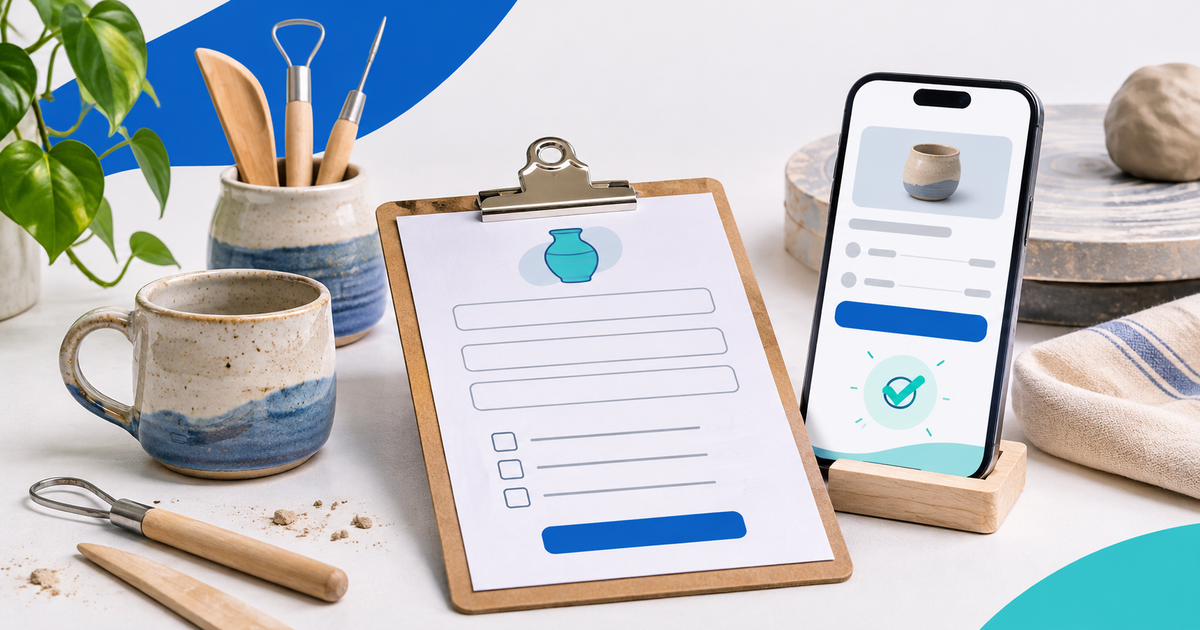
A useful form does more than collect a name: it tells the customer what they are paying for and tells you what to do next. This guide uses an illustrative scenario and the current PayRequest Payment Forms workflow; all example prices are hypothetical.
Start with a clear paid outcome
A consultant can charge €25 for an introductory session and collect goals and an optional reference file. Ask for a preferred time, then confirm the appointment separately.
Before you share the form, rewrite the example in your own terms: who the offer is for, exactly what the customer receives, what is excluded and what happens after checkout. These distinctions reduce avoidable follow-up and keep the payment amount tied to a defined offer.
Ask for the details you will actually use
A short field list is easier to complete and easier to review than a long intake. For this template, start with:
- Discussion goals: Ask which decision or problem the customer wants to address within the defined consultation.
- Preferred date and time: Collect the preference with timezone guidance and explain that you confirm the final slot separately.
- Reference file: Accept a relevant private document if it helps you prepare; keep it optional when unnecessary.
- Session terms: Describe duration, included work and the process for requesting a change to the appointment.
Use conditional questions when a follow-up is relevant only after a particular answer. A hidden conditional question is not required and its paid option is not charged. For customer documents, uploads are private and downloaded by the account owner from submissions; they are not public file links or email attachments.
Set the price and explain what it covers
Choose Fixed amount for a seller-set base price, or Existing products when the form should offer compatible active one-time products. Paid question options add fixed amounts; the form does not calculate a custom quote from a written answer. Review the tax settings and the total shown at checkout.
A preferred date is a request, not a confirmed appointment. If you set a form-wide maximum paid-booking count, each checkout counts as one booking regardless of how many attendees are in a group.
If you add a paid extra, name the extra and its fixed amount in the option label. Preview the full total before publishing so customers can see the price they are agreeing to.
Publish, then check the payment status
Save a draft to review privately. Publishing requires an active Payment Page and an eligible connected provider for the form currency. After sharing the link, check the submission status: answers, a customer record or a return from checkout do not prove that payment is confirmed. When a payment is pending or uncertain, wait for the provider status and ask the customer not to pay again while it is checked. After confirmed payment, complete any manual scheduling, approval, quoting, file review or service delivery that your offer requires.
The available methods depend on the connected provider, account, currency and amount. PayPal is optional; eligible forms may use PayPal, Mollie, Stripe, Revolut or Payoneer connections. See the Payment Forms guide for current field, upload, pricing and availability details.
Know when to follow up manually
No. The preferred date is a request. Review availability and confirm the appointment separately, or use the native booking flow when you need availability-based scheduling.
Choose one offer and state its boundary. Put the date, format, what is included and any manual confirmation step in the description. If the customer is paying only for an assessment or discovery call, name that step instead of implying that the full custom service is included. Add only questions that change preparation or fulfillment. Use required fields for essential contact and scope details; keep sensitive or optional background questions optional. For a private reference file, explain the supported file types and upload limits before the customer selects a file.