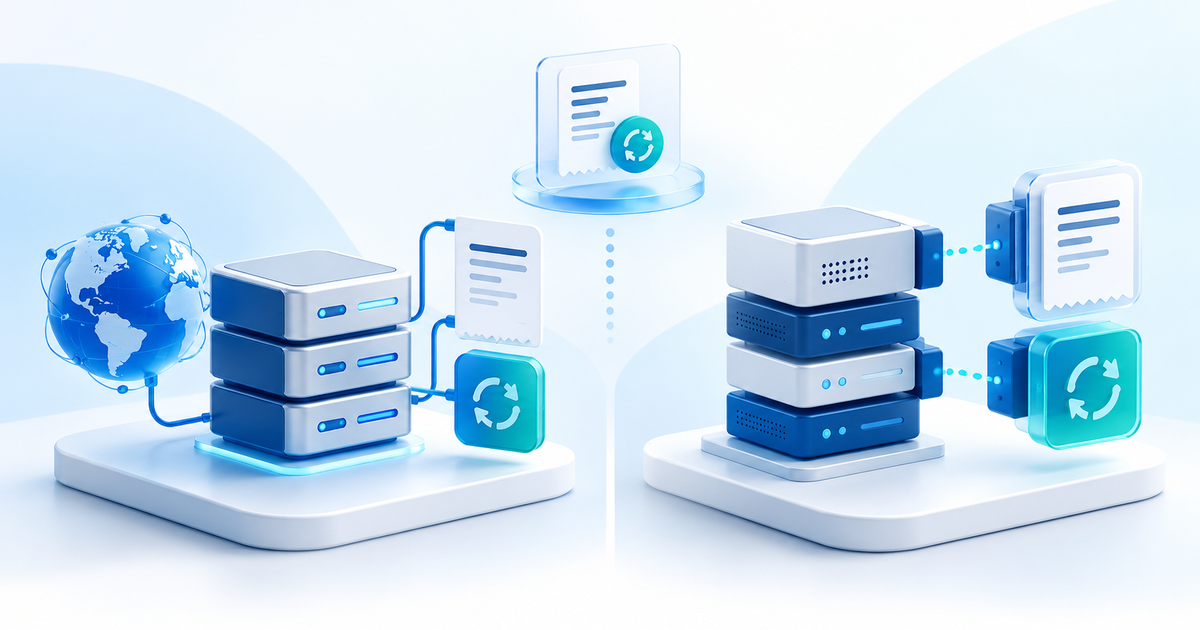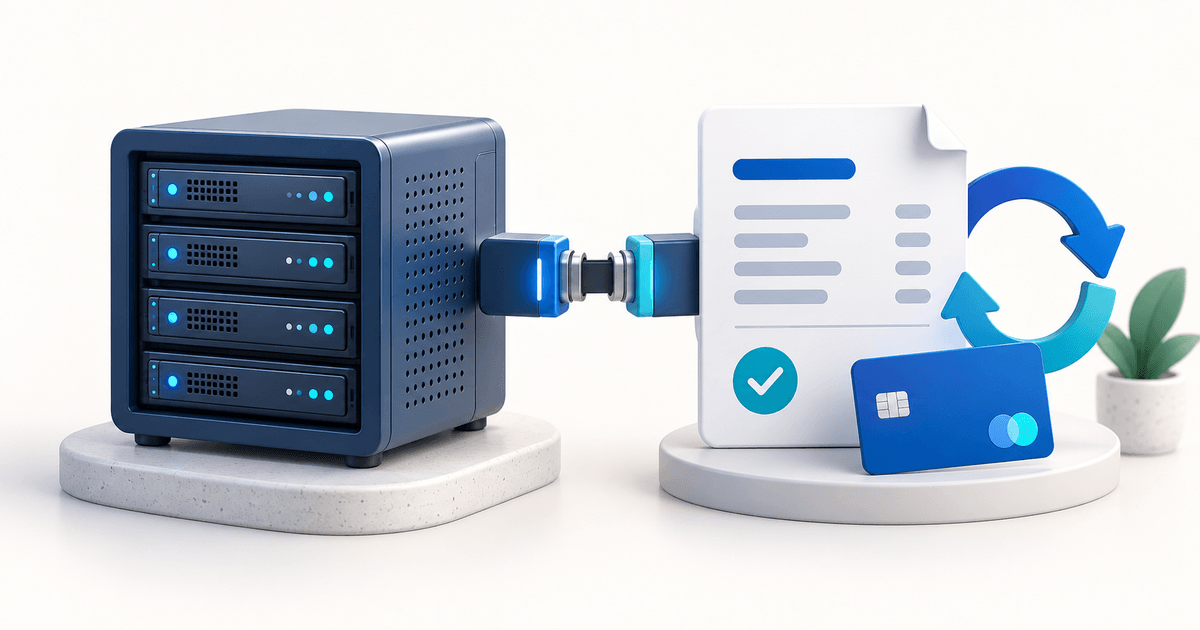
Accepting cryptocurrency payments used to mean running your own node, writing smart contracts, or paying a developer €5,000 to integrate a payment gateway. In 2026, it means creating a payment link in five minutes and sharing a URL.
The infrastructure has matured. Layer-2 networks like Base and Polygon make crypto transactions cheaper than card processing. Stablecoins remove the volatility risk that scared off most businesses in earlier cycles. And payment tools like PayRequest handle the technical plumbing — wallet connections, multi-chain routing, fiat conversion instructions — so you don't have to.
This guide walks through everything a business needs to know to start accepting cryptocurrency payments today: which coins to support, how to get a wallet, how to create your first payment link, how to handle accounting, and the mistakes that trip up most first-timers.
Key Takeaways
- Start with USDC, not Bitcoin — stablecoins eliminate volatility risk and settle in seconds for near-zero fees
- You don't need a developer — hosted payment links work the same as Stripe links, with no code required
- A non-custodial wallet takes 60 seconds to set up — Coinbase Wallet, MetaMask, or Phantom are the standard choices
- Crypto payments have zero chargebacks — once confirmed on-chain, transactions are irreversible
- The fiat off-ramp is straightforward — USDC → exchange → bank transfer is a 3-step process that takes 1–3 business days
Step 1 — Choose Which Cryptocurrencies to Accept
The single biggest mistake businesses make when adding crypto is trying to accept everything. A payment page with 15 options confuses customers and creates accounting complexity. Start narrow, then expand.
USDC is a stablecoin issued by Circle and backed 1:1 by US dollars held in regulated financial institutions. It trades at $1.00 regardless of market conditions. Base is a Layer-2 network built by Coinbase that settles transactions in under 2 seconds for fees under €0.01.
For a business accepting payments, USDC on Base is essentially a faster, cheaper wire transfer. You receive exactly what the customer sends — no volatility, no exchange rate uncertainty, no settlement delay. This is why it's the right starting point for any business new to crypto.
Polygon is an older L2 with broader wallet support and a longer track record than Base. Fees are similarly low (under €0.01). If your customers are more likely to have USDC on Polygon than Base, add this. For most businesses, starting with just one USDC chain is simpler — you can add the second later.
Solana (SOL) is a Layer-1 blockchain with 400 millisecond finality and very low fees. It attracts a specific user base — DeFi traders, NFT collectors, crypto-native creators. If your customer base overlaps with the Solana ecosystem, adding SOL increases conversion for that segment. If you're selling B2B services or SaaS, you can skip it initially.
Bitcoin and Ether are the assets most people know by name, but they're poorly suited for everyday business payments. Bitcoin settlement takes 10–60 minutes and fees can spike during congestion. Ether on mainnet has the same problem. Both are better suited as investment assets than payment rails.
Add BTC and ETH only when a customer specifically requests it. Most businesses find that USDC on Base/Polygon handles 90%+ of actual crypto payment demand.
Step 2 — Set Up Your Wallet
To receive cryptocurrency, you need a wallet — a piece of software that holds your private keys and shows your balances. You have two options: custodial (a company holds your keys) and non-custodial (you hold your keys).
Non-custodial wallets give you full control. Nobody can freeze your funds, cancel your account, or change your access rules. The three most widely compatible options:
Coinbase Wallet (not the Coinbase exchange app — these are different products) is the easiest to set up. Install the browser extension, write down the 12-word seed phrase, and you're done. It supports Base, Ethereum, Polygon, and Solana in one interface.
MetaMask is the most widely deployed EVM wallet. If your payment platform needs Ethereum-compatible chain support, MetaMask is the de-facto standard. Install the extension, save the seed phrase, connect.
Phantom is the dominant Solana wallet. If you're accepting SOL, Phantom gives your customers the best checkout experience. It also supports Ethereum and Bitcoin.
For most businesses, Coinbase Wallet covers everything (Base, ETH, Polygon, SOL) in one app, making it the simplest single-wallet solution.
When you create any non-custodial wallet, you get a 12 or 24-word seed phrase. Write it on paper and store it somewhere physically secure — a safe, a filing cabinet, a safety deposit box. Never store it digitally. Anyone who has your seed phrase controls your wallet. Losing it means losing access permanently.
Step 3 — Create Your First Crypto Payment Link
A payment link is a URL that opens a hosted checkout page where your customer can pay. Creating one with PayRequest:
- Go to payrequest.app/register and create a free account
- In your dashboard, go to Payment Methods → Crypto and connect your wallet via WalletConnect
- Click Create Payment Link and configure:
- Name: Your product or service name
- Amount: Fixed (for specific invoices) or open (for tips, donations, or any-amount payments)
- Currencies: Enable USDC (Base), USDC (Polygon), SOL, or any combination
- Copy the generated link — it looks like `payrequest.me/yourname` or a direct URL
That link goes in your invoice email, your website, your Linktree, your social profile, or anywhere else a customer might want to pay you. When they open it, they see your branded checkout page, connect their wallet, and confirm the transaction. Funds arrive in your wallet within seconds.
PayRequest payment links aren't crypto-only unless you want them to be. You can enable card (Stripe), iDEAL (Mollie), SEPA, and PayPal on the same checkout page alongside crypto. Customers choose the method they prefer. This matters because most of your customers probably don't have crypto yet — keeping traditional options available ensures you don't lose sales while expanding your payment options.
Step 4 — Handle Your First Payment
When a customer pays you in USDC:
- They open your payment link and click "Pay with USDC"
- Their wallet app shows a transaction to confirm — they tap "Confirm"
- The transaction broadcasts to the Base or Polygon network
- Within 2–5 seconds, the transaction is finalized
- The USDC appears in your wallet
No webhook is needed on your end, no manual reconciliation, no waiting for settlement. The blockchain is the receipt — both you and your customer can verify the transaction on a public explorer like Basescan or Polygonscan.
For accounting purposes, record the transaction date, amount in USD (USDC = $1.00 = approximately €0.92 at recent rates), the wallet address it came from, and the transaction hash (the unique on-chain ID). PayRequest exports this data in CSV format for easy import into accounting software.
Step 5 — Convert Crypto to Fiat (If Needed)
Not every business needs to convert crypto immediately. Many B2B businesses and freelancers keep USDC as a treasury asset and pay vendors or contractors who also accept crypto. If you need euros or dollars for expenses, the conversion process is straightforward:
- Transfer USDC from your wallet to a regulated exchange — Coinbase, Kraken, or Bitstamp for European businesses; Coinbase or Kraken for US businesses
- Swap USDC for EUR or USD on the exchange (usually instant, fee under 0.5%)
- Withdraw to your bank account via SEPA (1 business day in Europe) or ACH (1–3 business days in the US)
Total time from receiving USDC to having euros in your bank: 1–3 business days. Total cost: under 1% if you use an exchange with competitive rates.
If you receive volatile assets like SOL or ETH and want to convert to fiat, the process is identical — swap to USDC first (instant, on-chain), then follow the steps above.
Accounting and Tax Basics
Cryptocurrency income is taxable in virtually every jurisdiction. The general principle: you recognize income at the fair market value of the crypto on the date you receive it.
For USDC, this is straightforward — 1 USDC = $1.00 = approximately the current EUR/USD rate. Record the euro equivalent at the time of receipt.
For volatile assets like SOL, you record the market price at the moment of receipt. If you later convert or sell at a different price, that creates a capital gain or loss.
Most accounting software (QuickBooks, Xero, Wave) now has crypto import features. Alternatively, export your PayRequest transaction history as CSV and have your accountant handle the classification.
One practical tip: keep crypto payments in a dedicated wallet that you don't use for personal spending. This makes accounting far simpler — every transaction in that wallet is business income.
Common Mistakes to Avoid
Mistake 1: Sending to the wrong network. USDC on Base and USDC on Polygon are the same dollar value but live on different blockchains. If a customer sends USDC on Base to your Polygon wallet address, the funds are accessible but only via the Base network. Always confirm which network you're on before sharing an address.
Mistake 2: Accepting only crypto and no fallback. Most of your customers don't have crypto yet. If your payment page is crypto-only, you're turning away the majority of potential buyers. Keep cards, SEPA, or PayPal enabled alongside crypto.
Mistake 3: Ignoring gas fee spikes. Layer-1 networks (BTC mainnet, Ethereum mainnet) can have high fees during busy periods. This is exactly why Base and Polygon are recommended — they're immune to ETH mainnet congestion.
Mistake 4: Storing large amounts on a hot wallet. If you're accumulating significant crypto revenue, move funds regularly to a hardware wallet (Ledger, Trezor) or a dedicated cold-storage solution. Don't keep months of income on a browser extension.
Mistake 5: Skipping the seed phrase backup. This is the single most common catastrophic mistake in crypto. If your computer dies and you haven't written down your seed phrase, you lose everything in that wallet permanently.
How Crypto Compares to Card Payments
| Feature | Credit card (Stripe) | Crypto (USDC/Base) |
|---|---|---|
| Fee | 1.5–2.9% + €0.30 | 2% PayRequest fee + <€0.01 gas |
| Settlement | 2–7 business days | 2–5 seconds |
| Chargebacks | Yes — up to 120 days | None — irreversible |
| International | FX fees + conversion | No FX friction |
| Account freezes | Possible | Impossible (non-custodial) |
| Setup time | 1–5 days (Stripe verification) | 5 minutes |
For international B2B payments in particular, crypto wins on nearly every dimension except familiarity. As customer crypto adoption grows, the familiarity gap closes.
Getting Started Today
Create a free PayRequest account at payrequest.app/register. Connect your wallet, build your first payment link, and start accepting USDC in the next 10 minutes.
You can also use the USDC payment link generator to create a shareable link instantly — no account required for testing.
Adding crypto doesn't replace your existing payment stack — it adds a lane for the growing share of customers who prefer it, and gives you a payment method with zero chargebacks, near-instant settlement, and no platform that can freeze your account.