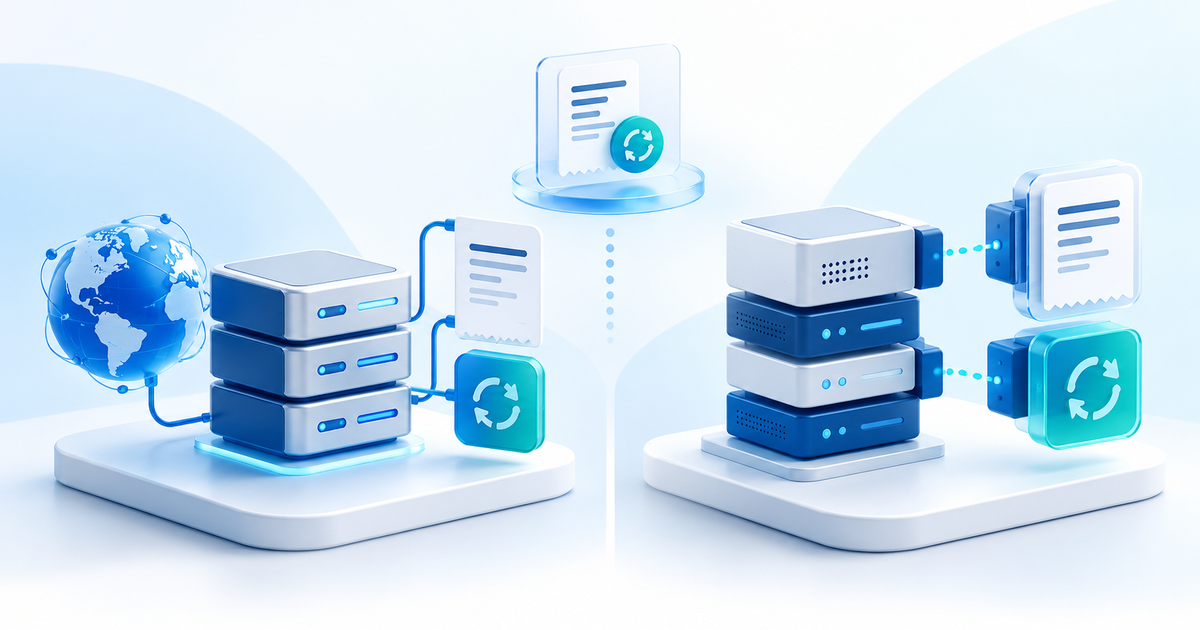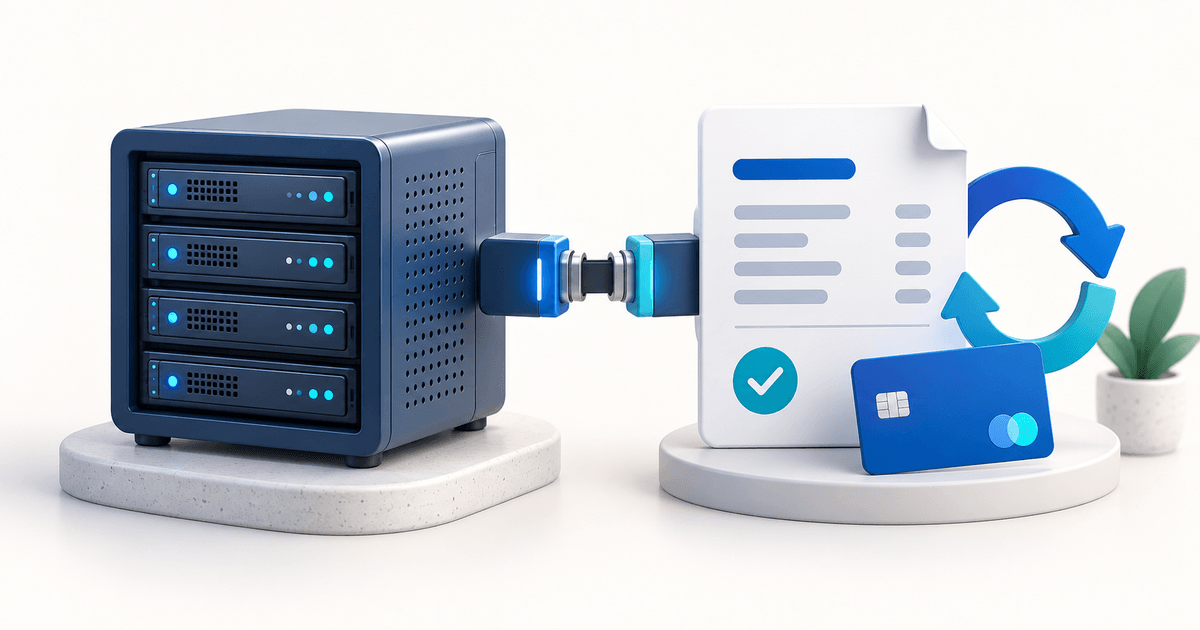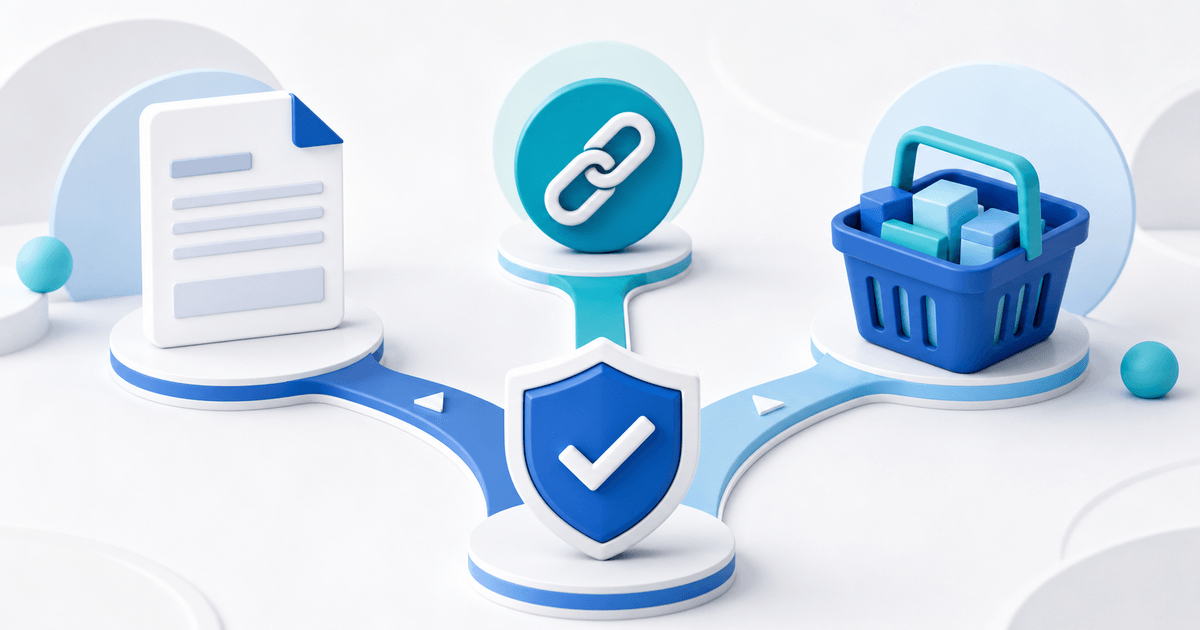
Use a PayPal invoice for a named customer's agreed obligation, a merchant payment link for a repeatable offer, and checkout when the buyer builds an order. If you sell downloads, also choose who delivers the file after successful payment. If you collect monthly fees automatically, choose a subscription agreement rather than repeatedly sharing a one-off link.
This guide is for sellers choosing a collection workflow: freelancers, workshop organizers and digital-product creators. A personal money transfer is a different job. A payment URL may open checkout in every case; the useful distinction is what the seller and buyer must decide before payment and what happens afterwards.
Compare the selling job, not just the URL
| Buyer situation | Default format | Why | Extra responsibility |
|---|---|---|---|
| Named client owes an agreed project amount | Invoice | Records customer, line items and payment terms | Follow unpaid balance and retain delivery evidence |
| Anyone can buy the same offer | Merchant payment link | Reusable entry to a hosted checkout | Explain offer, availability and cancellation terms |
| Buyer selects products or options | Checkout/cart | Builds the order before payment | Stock, tax, shipping and fulfillment rules |
| Buyer pays a fixed recurring service | Subscription enrollment | Obtains the recurring agreement | Renewal, failed collection and cancellation process |
| Buyer purchases a digital download | Product page plus payment and delivery | Connects the specific product to the purchased file | Verified payment, protected delivery and support |
PayPal's official invoice/link comparison distinguishes named-customer invoices from reusable merchant links. An invoice can itself be shared as a link or QR code. Sharing format does not turn it into a reusable product offer.
PayPal offers genuine hosted merchant Payment Links, including for digital items. They are not merely PayPal.Me. Its creation guide describes product details and price configuration. Available checkout methods depend on merchant eligibility and region; do not promise every wallet or card option to every buyer.
Three worked selling decisions
These are fictional examples, not reported transactions or customer results.
| Sale | Better default | What completes the buyer's job |
|---|---|---|
| €900 custom design project, €300 milestone now | Named invoice for the agreed milestone | Scope/reference, due terms and remaining €600 schedule |
| €24 reusable illustration download | Product offer with payment and automatic file delivery | Preview, license, correct file and delivery after confirmed payment |
| €60/month ongoing coaching | Explicit subscription enrollment | Agreed cadence, authorization, service terms and cancellation route |
For the designer, a public €300 link may collect money but loses the named receivable context. Use invoicing for the agreed amount and explain the balance separately. Whether a requested amount is refundable depends on the agreement and applicable rules, not the software label.
For the illustrator, a merchant link can take payment for the digital item. That does not establish that the exact file is automatically delivered and access can be managed. Choose a delivery layer or use PayRequest digital products when you need a hosted offer and automatic download delivery. A checkout redirect alone is not proof of successful payment.
For the coach, a reusable one-off payment link does not authorize future debits. PayPal has separate recurring-payment solutions. Invoice recurrence and automatic collection are different: a monthly invoice can still require a customer to pay each time. Confirm provider and product support before selecting a recurring workflow in PayRequest; connecting PayPal for one-off payments is not proof that every recurring feature is available.
Choose who owns payment and delivery
Use this original acceptance table when comparing a native PayPal link, an existing store or a hosted selling platform. These are checks to perform, not tests we claim to have completed.
| Responsibility | Question to answer before launch |
|---|---|
| Offer | Does the buyer see exact price, currency, product and terms before paying? |
| Payment | Where does the seller verify a completed payment rather than a screenshot? |
| Delivery | Which system sends the correct file or confirms the booked service? |
| Exceptions | What happens to a pending, failed, refunded or duplicate payment? |
| Support | Can the seller find the order, payment and delivery record together? |
| Recurrence | Did the customer agree to a schedule, or is each invoice paid manually? |
Choose native PayPal if its payment page completes your selling job and you can handle the remaining delivery reliably. Keep an existing store if its catalog, stock or shipping integrations are essential. Choose a hosted selling layer when payment collection alone leaves you manually matching customers and files.
PayPal's checkout customization documentation explains available branding and return behavior. Verify actual product support instead of assuming a generic thank-you page fulfills a download order.
Calculate the relevant platform cost
PayRequest Free costs €0/month with a 2% fee on standard successful payments, capped at €25 per transaction. Active Premium (€5/month) and Business (€20/month) have 0% standard PayRequest platform fees. Payment-provider fees remain separate; commission payments have their own exception. Current pricing also lists feature eligibility: digital products require Premium or Business.
For 30 hypothetical standard €24 sales, gross payments are €720. The Free platform-fee arithmetic is €720 × 2% = €14.40, but Free does not include the automatic digital-product workflow. For eligible Premium digital sales, the monthly plan charge is €5 and the standard platform fee is €0, before PayPal fees and tax treatment. This is a platform-cost illustration, not a total processor quote or promised saving.
For a simple one-off service link, compare native PayPal's account-specific fees against PayRequest's plan plus those provider fees. Do not add a platform solely because the payment button looks different; add it when the offer, records or delivery workflow justify it.
Start with the workflow your buyer needs
Use PayRequest payment links to create a shareable selling page with supported providers, or select digital products for automatic file delivery on an eligible paid plan. The PayPal partner connection requires a PayPal Business account; account and country eligibility still apply.
Create your PayRequest account and prepare one clearly described offer. Verify payment, delivery and refund handling before sharing it widely. Choose Premium or Business if that offer needs digital-product delivery; account creation alone does not activate paid features.
Editorial note: materially refreshed on 12 October 2026 with AI writing assistance. Official PayPal sources and current PayRequest pricing were reviewed. The sales examples, decision table and acceptance worksheet are original illustrative artifacts, not a live checkout test.
Choose the document before the payment button
Use an invoice when a client needs itemized billing and an identifiable document. Use a business Payment Link for a public offer. Use an integrated checkout when the surrounding store or application owns the order journey. None of those labels alone guarantees identical fees, guest eligibility or automatic delivery.
Our invoice generator creates a local document, not an invoice inside PayPal. For the narrower request decision, see PayPal request money vs invoice. For creating the public checkout URL, use create a PayPal payment link.