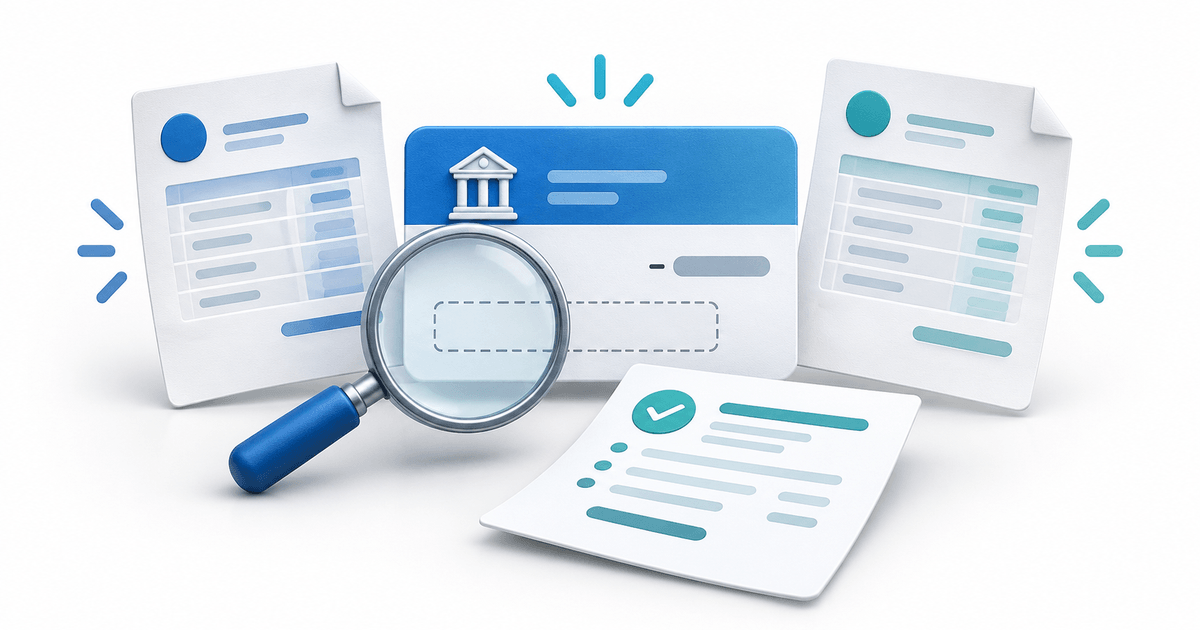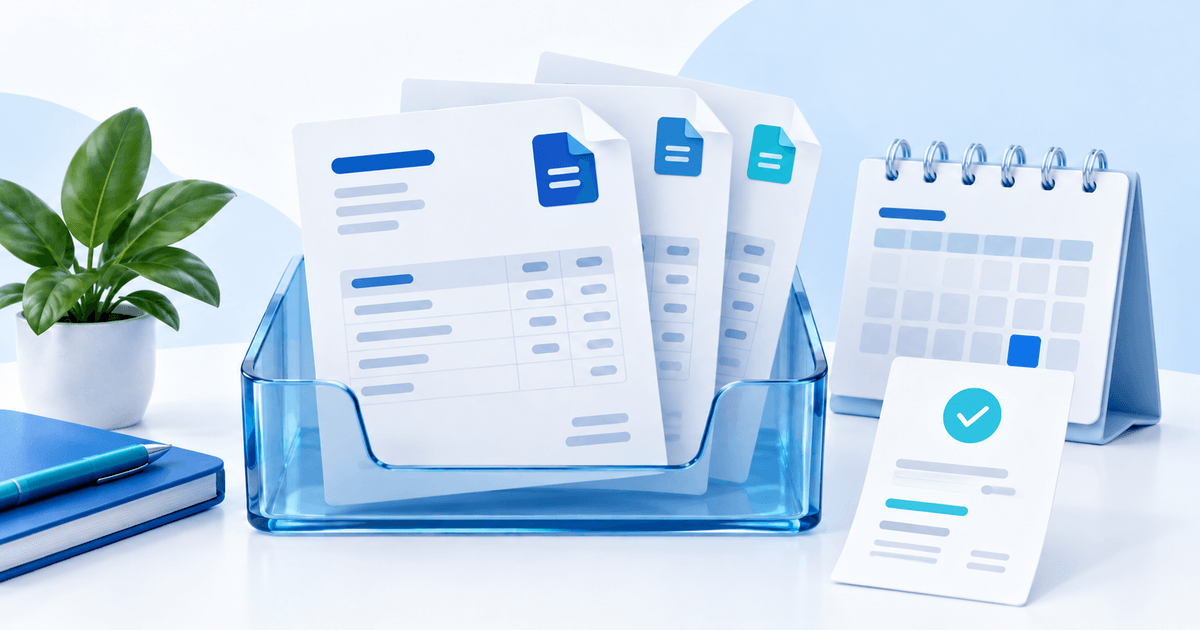
For a customer-side month-end check, download the invoice PDFs, compare each invoice with its payment history, and record unresolved differences. A folder full of PDFs proves that you have documents; it does not prove that every invoice is paid or belongs in the same reporting period.
This workflow is for the finance contact at a client organization and the supplier helping that client retrieve billing records. It is a document-completeness check, not a substitute for your accounting close.
Define which dates you are checking
Keep three dates separate: invoice issue date, service period and payment date. An invoice issued on 30 September and paid on 2 October belongs on a September invoice list but an October payment list. Your accountant determines the appropriate accounting treatment.
Write the period and cutoff at the top of your worksheet. Start from your expected supplier invoices or purchase records, then compare them with the portal. Starting only from visible PDFs cannot reveal an invoice that was never issued.
Use a four-invoice completeness worksheet
This is an illustrative example, not customer data. Amounts are in EUR; tax treatment is outside this worksheet.
| Invoice | Payment record | Action at cutoff | |
|---|---|---|---|
| A: 400 | Present | 400 confirmed | File document and payment reference |
| B: 300 | Present | No payment | Record open balance; check due date |
| C: 500 | Present | 200 confirmed | Investigate remaining 300; do not call it fully paid |
| D: 250 expected | Missing | Not established | Ask supplier whether an invoice exists |
For each row, retain the invoice number, issue date, service period, currency, total, confirmed payments, remaining balance, document filename and exception owner. C's 300 balance is the arithmetic difference in this example, not a claim that every payment route supports partial settlement automatically.
Retrieve the records in PayRequest
The published Customer Portal documentation describes a shop-linked customer login, invoice PDF downloads and per-invoice payment history. The customer account is separate from the supplier's business dashboard.
- Use the supplier's shop portal and your own customer login.
- Open Invoices and inspect the relevant invoice and status.
- Download its PDF and check the number and total against your worksheet.
- Review the payment history and transaction details for that invoice.
- Repeat for expected documents and assign unresolved rows to a named person.
Do not assume a bulk ZIP export, an accountant role or an automatic accounting reconciliation. A billing-notification contact is not evidence that someone has independent portal access.
Resolve differences without paying twice
A bank-transfer screenshot shows what the payer submitted; check actual receipt and the supplier's records before requesting another payment. If the PDF contains incorrect billing details, ask the supplier about the correction process instead of editing the downloaded file. Keep both the original reference and the correction record.
Pending, unpaid and paid are different operational states. A missing PDF, an unallocated transfer and a disputed charge need different owners. Keep those exceptions visible after the cutoff rather than forcing every row into “complete.”
Make the next close easier
Give the client a clear route to the PayRequest invoice portal, then rehearse one month using the worksheet. Suppliers can review invoicing to keep the underlying records consistent. The useful next step is one verified invoice-to-payment handoff, not an unsupported promise of automatic month-end closure.
Editorial note: prepared with AI assistance against published documentation checked on 2 October 2026. The worksheet is original and illustrative; no customer-account test or performance result is claimed.