Choose PayPal Payment Links when you need to send a buyer a hosted checkout without building one. Consider Braintree when your website or application needs an integrated payment layer and someone will own its implementation and maintenance. You can accept PayPal through Braintree, so this is not a choice between offering PayPal and refusing it.
This comparison is for sellers deciding how to take orders, especially a small business whose sales begin in email or messages. Begin with your sales workflow; a slightly different processing rate rarely answers who will maintain checkout or deliver the purchase.
What changes when you choose Braintree?
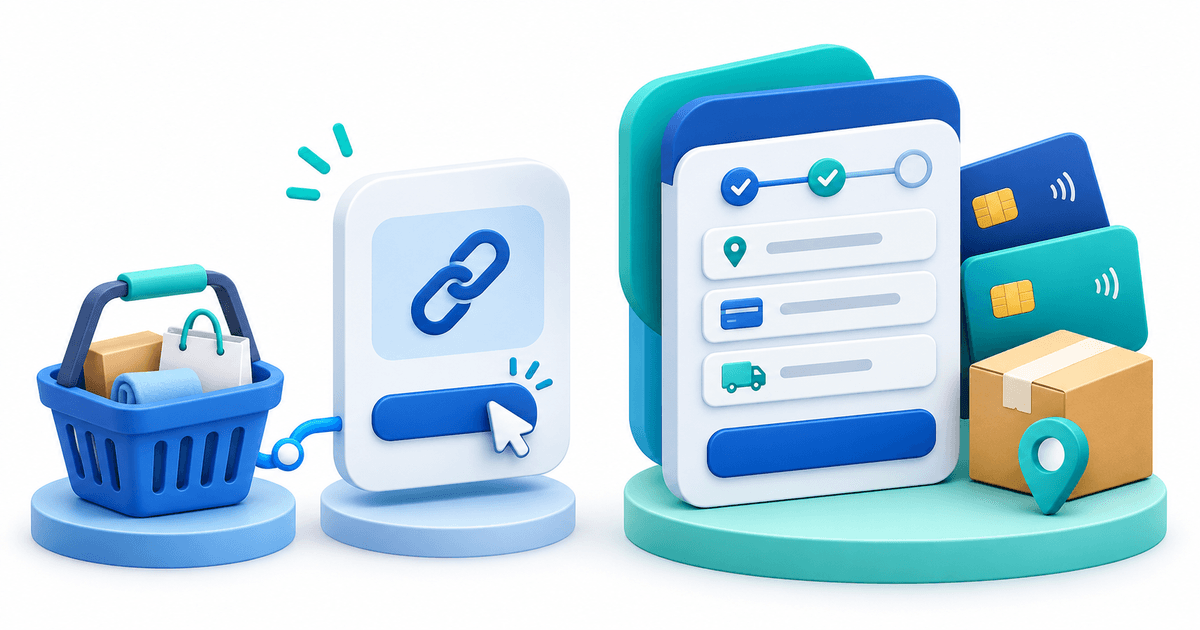
PayPal documents Payment Links as a no-code route to a hosted payment page. A business creates the offer and shares its URL. Availability of particular methods depends on eligibility and location.
Braintree's integration overview describes client and server components for accepting cards, PayPal and eligible wallets. Ask your commerce platform which components its integration supplies and who maintains them. A seller using a supported platform plugin may have less work than a business building an application from scratch.
A PayPal Business login is not proof that a Braintree production account is approved. Braintree's merchant terms make eligibility, application and approval conditions explicit. Confirm those before paying for implementation.
A twenty-order decision worksheet
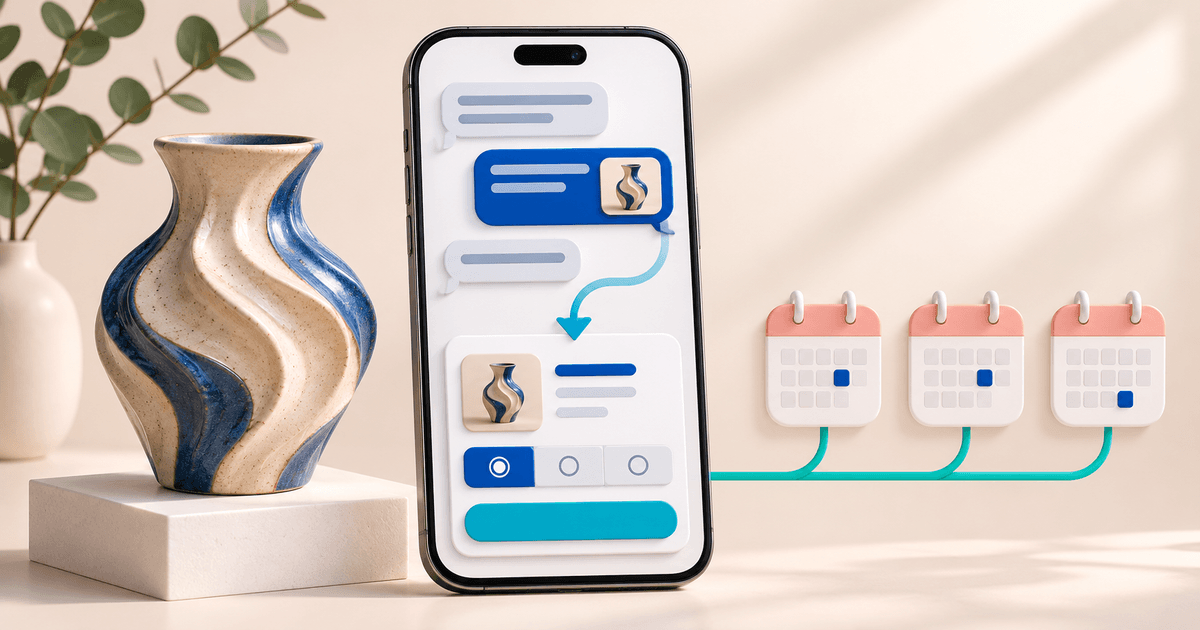
Suppose a small studio expects twelve €75 appointments, six €25 manually delivered files and two clients asking for €30 monthly access. These are fictional planning inputs, not a transaction test. The eighteen one-off orders total €1,050; the two recurring requests would add €60 per cycle only after an appropriate agreement is established.
| Sales job | Acceptance question | What must remain owned by the seller? |
|---|---|---|
| Twelve appointments | Can the buyer pay the agreed amount and be matched to the appointment? | Scheduling, capacity and cancellation terms |
| Six files delivered manually | Is the paid buyer matched to the correct file and delivery record? | Sending the file and answering access requests |
| Two recurring requests | Is there a supported recurring agreement with the buyer's authorization? | Scope, cancellation and failed-renewal handling |
For the first eighteen orders, a hosted payment link may complete collection while the studio delivers manually. The two subscription requests require a separate decision. Reusing a one-time URL each month is customer-initiated payment, not permission to charge automatically.
Reproduce the worksheet with your own orders. Add a requirement only when someone can name its owner. A more flexible checkout is useful when it removes a real constraint, rather than merely moving work into an integration project.
Saving a payment method is not the whole recurring agreement
Braintree can support PayPal vaulting for future payments; its PayPal setup guide explains connecting the merchant's PayPal account. Evaluate the actual recurring flow your platform implements, not just whether its feature list says “PayPal”.
For either route, write down what the buyer agrees to: amount or calculation, frequency, service, cancellation route and what happens after a failed payment. Ask the provider or platform to demonstrate an authorized renewal and a cancelled renewal. Do not treat an imported customer record as a transferred payment permission.
Include maintenance in the cost comparison
Use a merchant quote for your country, payment mix and currencies. Keep processing, currency conversion, refunds and software costs as separate lines; this article does not substitute one country's headline rate for your contract.
Here is a transparent sensitivity calculation. If an integration quote were eight hours at €60/hour, the assumed setup cost would be €480. If another route saved an assumed €0.10 per order on eighteen monthly orders, that would be €1.80/month. At an unchanged workload, €480 ÷ €1.80 is about 267 months, before maintenance. These invented inputs illustrate how to compare a quote, not actual Braintree charges or promised savings.
Lifecycle matters too. The linked Braintree overview says its Drop-in SDK was deprecated on 1 October 2026, with processing support continuing until 1 October 2027. Ask an implementer which supported SDK and upgrade plan they propose. This affects a new purchase; it is not evidence that all Braintree integrations have stopped working.
When does PayRequest fit this decision?
If you want a hosted collection workflow, explore PayRequest payment links. You can connect an eligible PayPal Business account and prepare a link for an agreed sale. According to the current PayRequest PayPal documentation, this integration currently serves payment links; invoices and subscription billing use Mollie. PayRequest is not presented here as a Braintree integration or a route to automatic PayPal subscription billing.
For the studio example, start with a one-time appointment payment. Keep the appointment and delivery responsibilities explicit. Check current pricing, provider eligibility and the checkout shown to your buyer before sharing the link. If your application genuinely needs an integrated payment layer, obtain an implementation proposal rather than assuming a payment-link product replaces it.
Use the article CTA to create an account and prepare that first one-time link. Verify the amount, currency, business identity and successful-payment record before relying on the workflow.
Editorial note: AI assisted with this article and illustrative cover. Official sources were reviewed on 4 November 2026. The studio, order mix and cost assumptions are original hypothetical examples; no live integration, renewal or customer savings test is claimed.