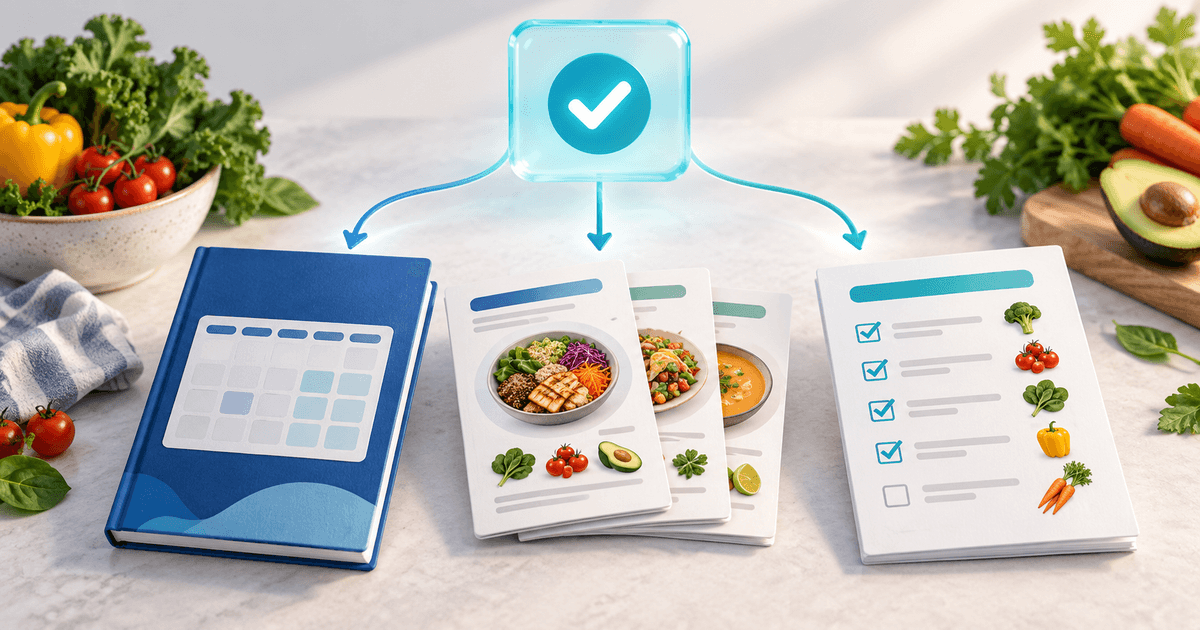
Use public access for content that helps the right visitor discover and evaluate your expertise. Use free-member access when the resource deserves an ongoing email relationship. Use paid-member access when the post delivers part of the recurring outcome customers purchased.
That rule is more reliable than hiding a fixed percentage of your library. This practical access matrix is built around the real controls in PayRequest Community: Everyone, Free and paid members, and Active members only.
The Community Content Access Matrix
| Content job | Everyone | Free and paid members | Active members only |
|---|---|---|---|
| Explain the problem or method | Best fit | Sometimes | Rarely |
| Deliver a starter result | Sometimes | Best fit | Yes, if it is core onboarding |
| Show current announcements | Best fit when public | Best fit for member updates | Best fit for paid operations |
| Provide a complete system or library | No | Limited sample | Best fit |
| Host a paid challenge or programme | Preview only | Orientation sample | Best fit |
| Publish sensitive member resources | No | Only when intended for all members | Best fit |
Choose the narrowest access level needed to keep the promise. “Narrowest” does not mean “lock everything.” It means protect the part customers are actually paying for while leaving enough public context to understand its value.
Publish for Everyone When Discovery Matters
Public posts can be read without joining. Use them for material that benefits from being shared, indexed or understood before a relationship exists:
- a clear explanation of your approach;
- an event announcement or public changelog;
- a case example that does not reveal private member information;
- a response to a common question;
- a product announcement with an embedded offer.
A public post can still lead to membership. End with the next useful step, not a generic sales line. For example: “Join free to download the preparation checklist” is clearer than “Unlock more.”
Visitors can also see safe previews of locked posts. A preview may include the title, section and publication date, but PayRequest never exposes the protected body. Write titles that communicate the job of the post without giving away confidential detail.
Require Free Membership When Follow-Up Creates Value
The free-member level is useful when the resource begins a relationship rather than completing the entire paid promise. Strong candidates include:
- a starter kit used over several days;
- an assessment that leads to a recommended next resource;
- a monthly free briefing;
- one lesson from a structured series;
- a template members may ask questions about in comments.
The visitor confirms their email and receives Community update emails. Signed-in free members can read the post and participate in its comments. If they later buy the membership, PayRequest retains the same customer profile and unlocks paid content automatically.
Do not use free membership merely to hide a two-paragraph article. The exchange should feel proportionate: the reader gives you a confirmed relationship, and you give them something useful enough to revisit.
Protect the Work That Fulfils the Paid Promise
Set a post to Active members only when it is a meaningful part of what the recurring membership sells. Examples include:
- the complete course or implementation sequence;
- a continuously updated research library;
- paid challenge instructions and weekly material;
- member-only recordings, templates or operating procedures;
- detailed analysis published on a promised schedule.
Active and trial subscriptions unlock these posts. Cancelling normally keeps access through the already-paid period; the content locks when the subscription becomes inactive. A digital product purchase does not grant Community access by itself, because downloads and membership subscriptions are separate entitlements.
Use Sections for Navigation, Not Permission
Sections answer “Where does this belong?” Access answers “Who may open it?” Keep those decisions separate.
A section such as Beginner lessons may contain a public orientation, a free starter exercise and several paid lessons. That is useful: visitors can understand the path without receiving every step.
Deleting a section does not delete its posts. They become uncategorized and retain their publication and access settings. After any restructure, review uncategorized posts so a valuable resource does not become difficult to find.
Decide What to Pin
PayRequest lets you pin one published post above the Community library. Choose it with this order of priority:
- A time-sensitive action every member must see
- The best start-here path for new members
- A current challenge or programme
- A major announcement
Do not pin a post only because it is your newest. Newness already affects the normal feed. The pin should override chronology for a reason.
If the pinned post returns to Draft, the pin disappears automatically. Pinning a different post replaces the previous one, which makes the slot easy to rotate during launches or challenges.
A Worked Example: Recipe Membership
Suppose a cooking creator sells a monthly recipe and technique membership.
| Post | Section | Access | Why |
|---|---|---|---|
| How the weekly menu system works | Start here | Everyone | Explains the method before signup |
| Five-dinner shopping checklist | Start here | Free and paid members | Delivers a complete quick win |
| Knife-skills foundation video | Techniques | Active members only | Core paid instruction |
| September week-one menu | Weekly menus | Active members only | Recurring membership value |
| Kitchen Q&A announcement | Updates | Everyone | Useful public event promotion |
The creator pins the current weekly menu for existing members during the week, then switches the pin to the new-member path during a launch. Comments stay attached to each accessible post, so questions about the knife video do not get mixed into the shopping checklist.
Audit Every Post With Four Questions
Before publishing, ask:
- What exact result does this post deliver?
- Is that result part of discovery, relationship-building or the paid promise?
- Would the title or preview accidentally reveal protected information?
- What should the reader do immediately after finishing?
Then use View public community and Preview as member to compare both experiences. Check a free-member account separately when the distinction matters. The public page should show enough value to make joining understandable; the paid view should feel complete rather than like a collection of disconnected locked posts.
Start with a small balanced library: one public explanation, one free quick win, one paid start-here post and two strong paid resources. Build it through Posts, connect access through Memberships, and create your PayRequest account when the matrix is clear.