Pricing digital products feels harder than pricing physical ones. There's no material cost, no shipping, no obvious "floor" to work from. The result: most creators underprice, leaving money on the table while undervaluing their work.
This guide covers practical pricing strategies for digital downloads—ebooks, templates, courses, software, and everything in between. You'll learn how to price based on value, when to use different models, and how to test your way to optimal pricing.
Why Pricing Digital Products Feels Hard
Let's address the psychological barrier first.
Physical products have built-in pricing logic: materials cost X, labor costs Y, so price must be at least X + Y + margin. Digital products have no per-unit cost. This freedom feels like a problem.
Without a cost floor, how do you justify any price? The answer: forget costs entirely. Price based on value, not production.
Creators often think: "This template took me 3 hours. Anyone could do it. How can I charge €50?"
But your customers aren't paying for your 3 hours. They're paying to skip their own 10 hours of figuring it out. They're paying for your expertise distilled into something usable. The value is in the result, not the creation time.
Free content exists for almost everything. Free templates, free tutorials, free tools. How do you compete?
By being better, more specific, more convenient, or more comprehensive. Free alternatives are usually generic, incomplete, or require significant effort to use. Premium products solve problems completely.
The Value-Based Pricing Framework
The best digital product pricing starts with value, not cost or competition.
What does your product help customers achieve? Be specific.
Weak: "Saves time" Strong: "Complete client onboarding in 15 minutes instead of 2 hours"
Weak: "Looks professional" Strong: "Land the job interview with a resume that stands out"
The more concrete the outcome, the easier pricing becomes.
What is that outcome worth in money, time, or opportunity?
Time savings: If your template saves 10 hours and your customer's time is worth €50/hour, the value is €500.
Money earned: If your course helps freelancers raise rates by €20/hour and they work 1,000 hours/year, the value is €20,000/year.
Problems avoided: If your guide prevents a €5,000 tax mistake, the value is €5,000.
Nobody pays 100% of the value—there'd be no benefit to buying. Price at 5-20% of the value you provide.
- €500 value → Price at €25-100
- €5,000 value → Price at €250-1,000
- €20,000 value → Price at €1,000-4,000
This framework justifies premium pricing while ensuring customers still get massive value.
Common Pricing Models
Different products suit different pricing approaches.
How it works: One price for everyone. Simple and clear.
Best for: Products with consistent value across customers—ebooks, templates, single courses.
Pros: Easy to understand, no decisions for customers, straightforward to manage.
Cons: Leaves money on the table from high-value customers willing to pay more.
Example: €47 for an ebook, €197 for a template bundle.
How it works: Multiple versions at different price points—basic, standard, premium.
Best for: Products where you can add meaningful value at higher tiers.
Pros: Captures more customer segments, provides upsell path, anchors pricing.
Cons: More complex to manage, requires genuinely different value at each tier.
- Basic (€29): Template only
- Standard (€79): Template + video walkthrough + updates
- Premium (€149): Everything + 1:1 setup call
The key is ensuring each tier feels appropriately valued—not just removing features from higher tiers to create lower ones.
How it works: Customers pay monthly or yearly for ongoing access.
Best for: Products with regular updates, communities, software, content libraries.
Pros: Predictable recurring revenue, higher lifetime value, ongoing relationship.
Cons: Requires continuous value delivery, churn management, higher expectations.
Example: €19/month for access to a template library with new additions weekly.
PayRequest's subscriptions feature handles recurring billing automatically.
How it works: Customers choose their price, usually with a suggested amount.
Best for: Building audience, cause-driven products, maximum accessibility.
Pros: Removes price objections, some customers pay more than you'd charge, builds goodwill.
Cons: Many pay minimum or nothing, hard to predict revenue, can undervalue your work.
Example: "Suggested price €25, minimum €5" for an ebook.
Use sparingly. Pay-what-you-want works for specific situations (charity, audience building) but usually underperforms fixed pricing for business.
How it works: Multiple products sold together at a discount versus individual prices.
Best for: Increasing average order value, clearing inventory, launching new products.
Pros: Higher revenue per customer, perceived value, moves more products.
Cons: Customers may only want one item, dilutes individual product value.
Example: 5 templates individually priced at €29 each (€145 total) sold as a bundle for €97.
Bundles should feel like a deal while still being profitable. 30-40% off combined individual prices is typical.
Psychological Pricing Tactics
How you present prices matters as much as the prices themselves.
Present a higher-priced option first to make other options seem reasonable.
Example: Show the €299 premium tier before the €99 standard tier. The €99 now feels affordable by comparison.
Prices ending in 7 or 9 perform better than round numbers for most products.
€47 vs. €50: The €47 feels like a deal, even though the difference is negligible.
€297 vs. €300: Same effect at higher price points.
Exception: Luxury or premium positioning sometimes benefits from round numbers (€500 feels premium, €497 feels discounted).
Include an option that makes your preferred option look better.
- Basic: €29 (template only)
- Standard: €79 (template + walkthrough)
- Premium: €89 (template + walkthrough + updates + support)
The €79 option is a "decoy" that makes €89 look like amazing value for €10 more.
Reduce perceived risk with guarantees, trials, or refund policies.
- "30-day money-back guarantee"
- "If you don't save 10 hours in the first month, full refund"
- "Try free for 7 days"
Strong guarantees increase conversions more than they increase refunds.
Testing and Optimizing Prices
Your first price is a guess. Testing finds the truth.
Show different prices to different visitors and measure conversion rates and revenue.
What to measure: Total revenue, not just conversion rate. A lower price with higher conversion might generate less total revenue.
Example: Price A (€47) converts at 4%, Price B (€67) converts at 3%:
- 100 visitors at Price A = €188 revenue
- 100 visitors at Price B = €201 revenue
Price B wins despite lower conversion.
Start lower and raise prices over time as you:
- Gather testimonials and social proof
- Improve the product
- Build demand
Many successful products have doubled or tripled prices from launch to maturity.
Track your conversion rate over time. If it drops significantly after a price increase, you may have gone too high. If it stays stable, you probably have room to go higher.
Common Mistakes to Avoid
Your hours don't matter to customers. A template that took 50 hours to perfect isn't worth more than one that took 5 hours if they solve the same problem equally well.
Price on outcome, not input.
Competing on price is a losing game for digital products. There's always someone willing to charge less. Compete on value, quality, and positioning instead.
Value-based pricing doesn't mean ignoring competitors. Understanding market prices helps you position appropriately. Just don't let competitor prices cap your own—your product might be worth more.
Different customers value your product differently. A template that helps a freelancer is worth €50; the same template for an agency might be worth €500. Consider different pricing for different segments.
Creators consistently underestimate what customers will pay. Before settling on a price, ask: "What if I charged 2x this? 3x?" Often the answer is you'd still sell—just to fewer, more committed customers.
Pricing by Product Type
Different digital products have different typical price ranges and strategies.
Typical range: €5-50 (general), €50-200 (specialized B2B) Strategy: Lower prices for broader topics, higher for specialized expertise. Consider introductory pricing with planned increases.
Typical range: €10-100 (individual), €50-500 (bundles) Strategy: Price based on time saved and complexity. Offer bundles for higher average order value.
Typical range: €50-2,000 Strategy: Price based on transformation promised. Mini-courses at €50-200, comprehensive courses at €500-2,000. Cohort-based courses can charge premiums.
Typical range: €10-100 (one-time), €5-50/month (subscription) Strategy: Consider subscription models for ongoing development. One-time pricing for simpler tools.
Typical range: €10-200/month Strategy: Price based on value of access (content, community, or both). Offer annual discounts to improve retention.
Setting Your Price
Ready to price your digital product? Here's a practical process:
- Define the outcome: What specific result does your product deliver?
- Quantify value: What's that result worth in time, money, or opportunity?
- Set value-based price: Price at 5-20% of the value.
- Check the market: How does your price compare to alternatives? Can you justify the difference?
- Choose your model: Fixed, tiered, subscription, or bundle?
- Apply psychology: Use appropriate endings, anchoring, and risk reversal.
- Launch and test: Start selling, measure results, adjust based on data.
Selling at Your Price
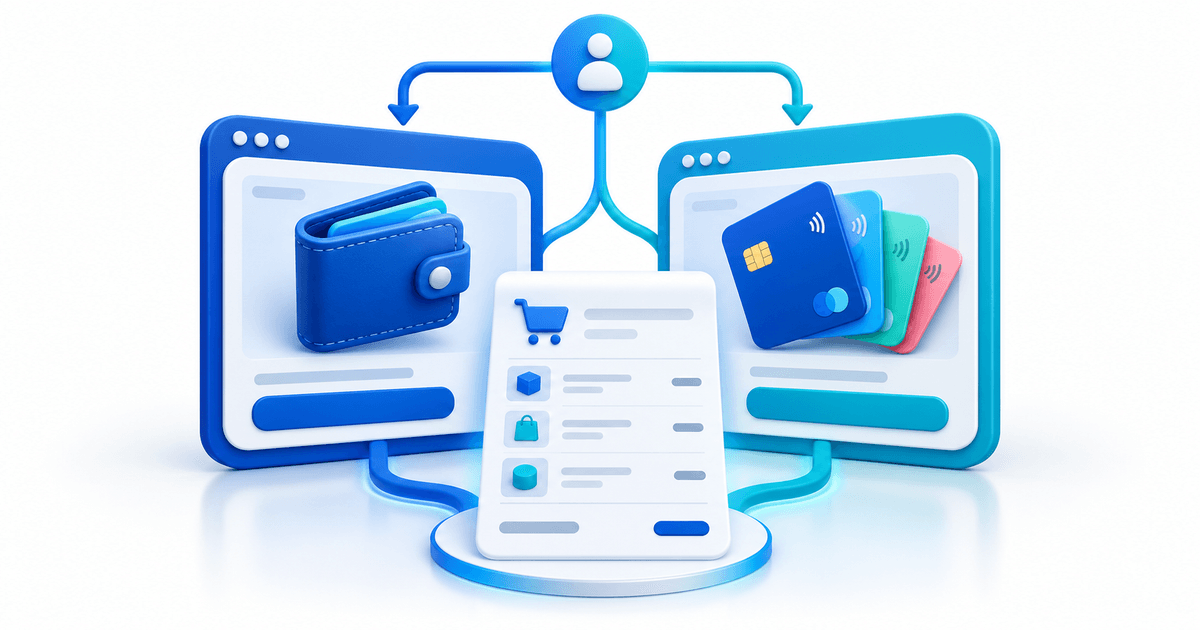
Once you've set your price, you need the infrastructure to sell. PayRequest makes this simple:
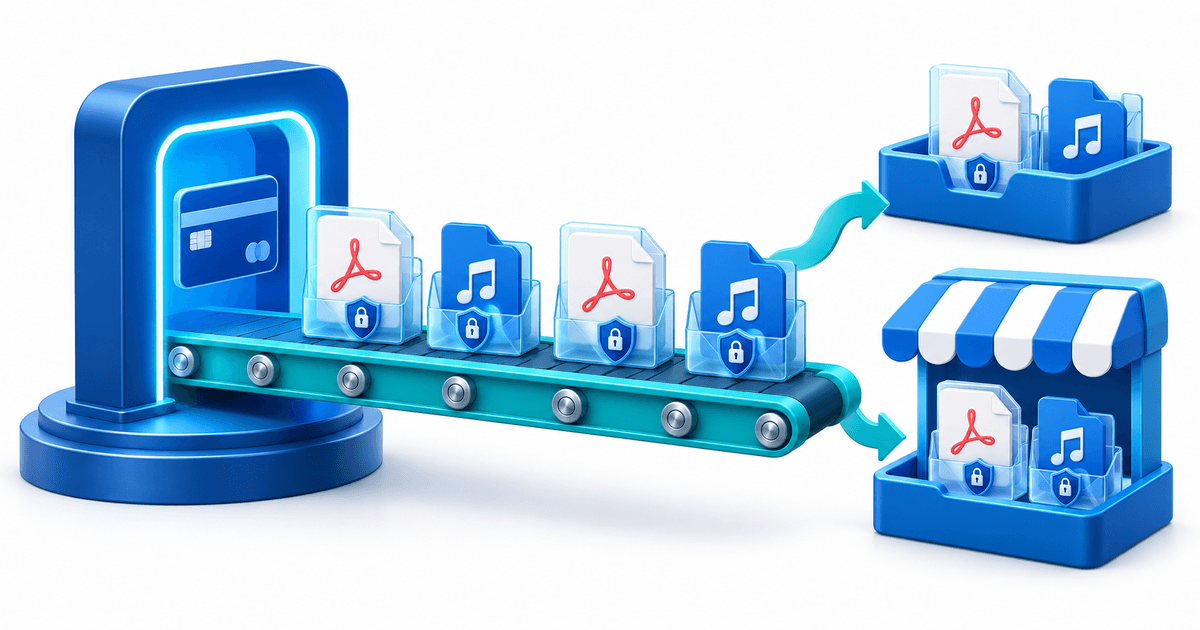
[Digital Products](/features/digital-products): Automatic delivery after purchase. [Sales Page](/features/sales-page): Professional pages that justify your price. [Payment Links](/features/payment-links): Easy checkout from anywhere.
No platform transaction fees from PayRequest—keep more of what you charge.
Start selling at payrequest.app/register.